

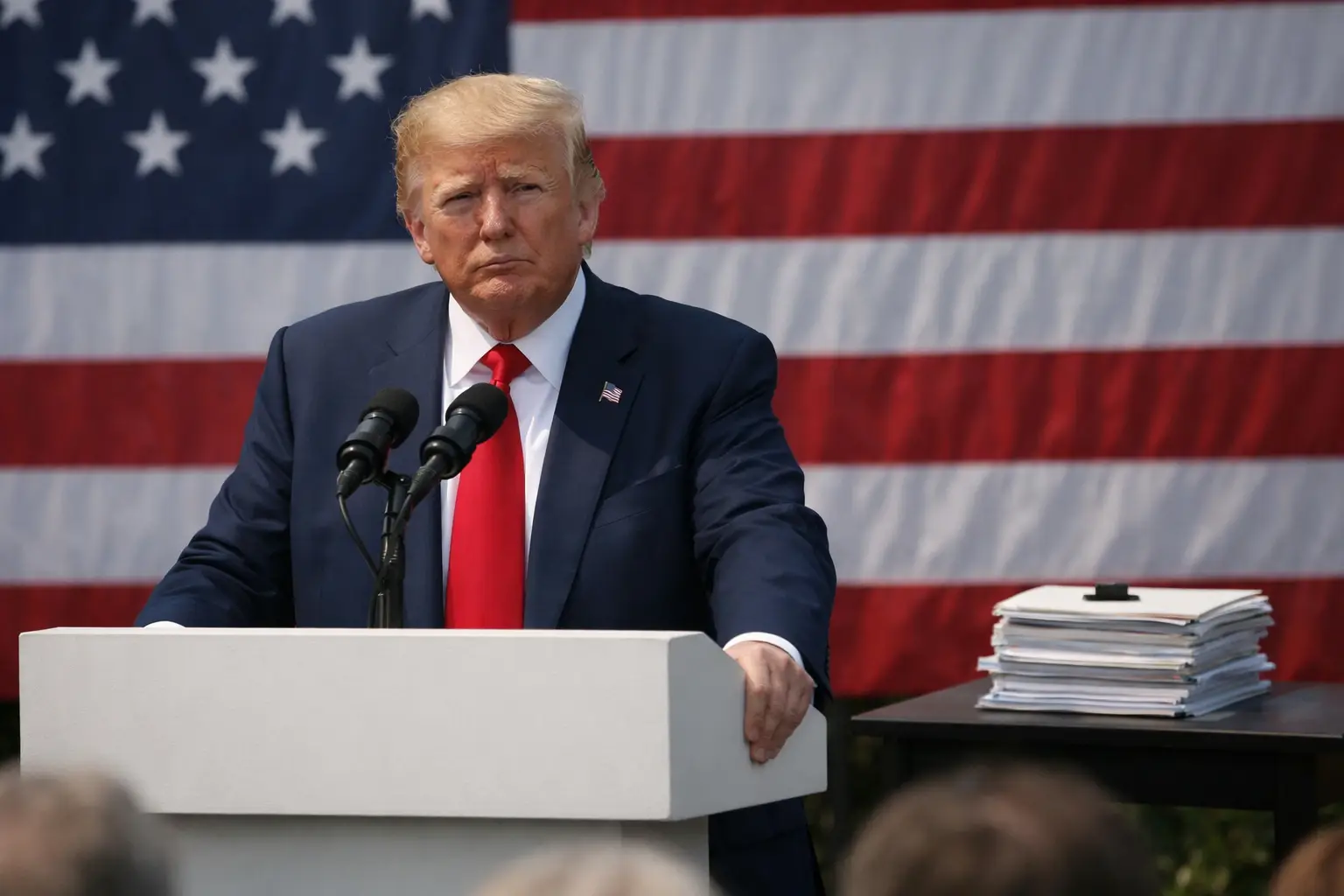
With midterms looming, Donald Trump has escalated public activity and policy promises even though he is not a candidate on the ballot. The campaign style and some proposals around these efforts have drawn notice for their scale and the financial burdens they appear to place on US taxpayers. Observers note the approach is unorthodox for a figure not seeking office in the immediate contest and has sharpened scrutiny from legal analysts and political opponents ahead of the midterm elections.
Campaign events, public commitments and administrative maneuvers associated with this mobilization have generated significant costs and logistical demands. Sources monitoring the activity say many of the most visible moves have relied on government resources or carry direct budgets that ultimately affect the federal balance sheet. That dynamic has prompted debate about appropriate boundaries between private political operations and the use of public funds or government mechanisms.
Legal experts have flagged that elements of the strategy may test federal statutes and regulations. While specifics vary, commentators point to potential intersections with campaign finance rules, restrictions on official conduct, and other provisions that govern the interface between political actors and state institutions. Those concerns could lead to oversight actions, audits or litigation if regulators or courts determine that conduct crossed legal lines, a process that would unfold independently of electoral outcomes.
The developments matter both for immediate electoral calculations and for longer-term institutional precedents. For voters and policymakers, the questions are whether existing rules are sufficient to police incursions of public resources into political campaigning, and how enforcement mechanisms will respond in real time. The situation also bears on public confidence in governance and on how campaigns will be financed and organized in future cycles. As the country approaches the midterm elections, officials and watchdogs will be watching to see whether the legal issues raised materialize into formal inquiries or reforms.


