

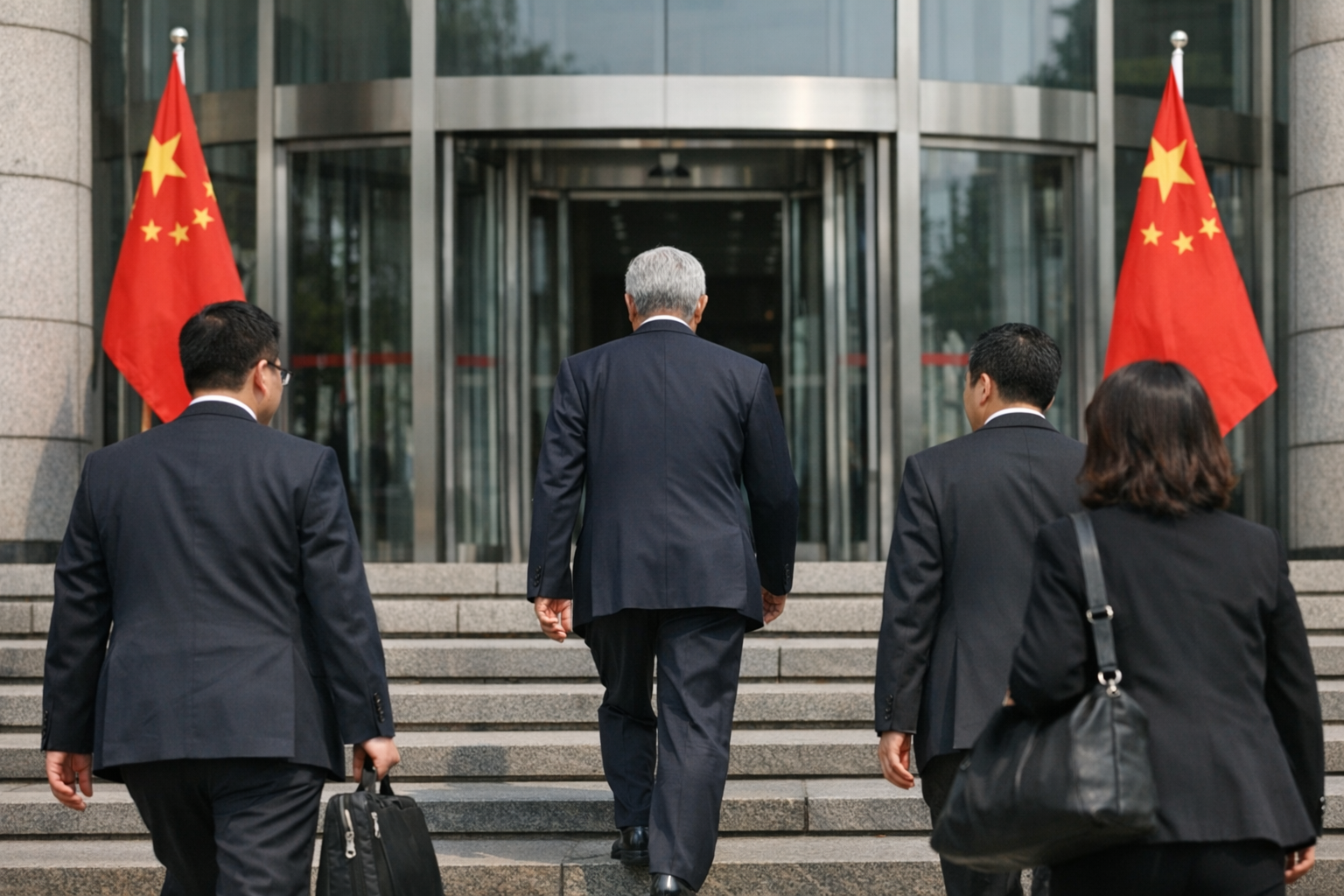
Promotion of a former ambassador to Mongolia in a recent Beijing personnel shift reflects an operational recalibration within China’s diplomatic apparatus for Asia, while leaving strategic direction anchored in established institutions. The move, part of a broader reshuffle affecting officials who handle regional relationships, reallocates responsibility for day-to-day engagement but does not in itself alter core policy objectives set at the centre.
The role of senior diplomats is to execute directives from Beijing, and adjustments in staffing can change methods and emphasis. The elevated official brings direct experience in Mongolian relations and regional ties, which can refine bilateral outreach and coordination. At the same time, the Ministry of Foreign Affairs and the leadership of the Chinese Communist Party retain primary authority over strategic priorities, so personnel changes mainly affect implementation rather than grand strategy.
Institutional factors constrain the scope of what a single promotion can accomplish. Foreign policy lines are determined through interlocking party, state and military channels in Beijing, and economic, security and trade considerations shape engagements across Asia. Operational shifts—such as a greater emphasis on consular activity, trade facilitation, or high-level visits—depend on directives from senior leadership and the allocation of resources across ministries and provincial actors.
Practically, the reshuffle may result in more targeted diplomatic initiatives toward neighbouring capitals and smoother coordination on routine matters, drawing on the promoted diplomat’s regional experience. Observers will assess changes in tone and activity over time, but the continuity of China’s wider strategic approach in Asia remains rooted in central decision-making structures. The personnel move therefore represents a modulated adjustment in execution rather than a departure from established policy frameworks.


