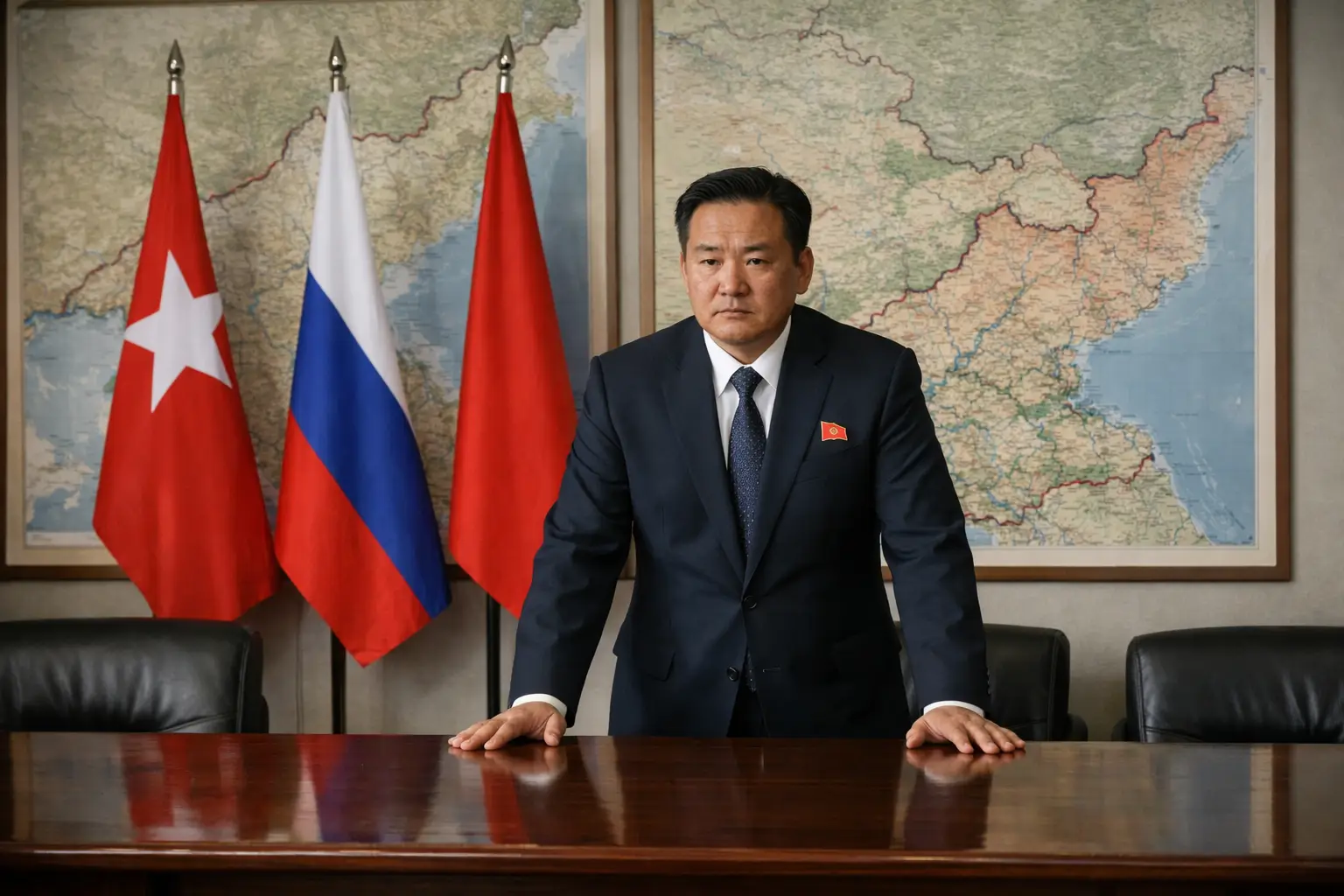
Seeks to balance its external commitments, North Korea has developed a pattern of relations that reduces competition between its two major patrons. Rather than offering identical services or goods to both neighbours, Pyongyang appears to align different forms of cooperation with each partner, preserving leverage and avoiding direct overlap. This approach helps maintain working relationships with both Russia and China while limiting frictions that could force a choice between them.
The practical division takes shape across distinct domains. Economic and diplomatic ties with China remain central to North Korea’s trade and survival; Chinese investment, cross-border commerce and political channels are crucial for access to markets and resources. With Russia, engagement often emphasises strategic and security considerations, including high-level diplomatic coordination and transactional exchanges that address shared regional concerns. By tailoring its offers, Pyongyang ensures each relationship delivers complementary value rather than competing advantages.
For regional actors and policymakers, this calibrated posture complicates a binary interpretation of alliances. A clear division of labour narrows the scope for direct rivalry between Beijing and Moscow over influence in Pyongyang while granting North Korea room to manoeuvre. Western governments and multilateral bodies monitoring the situation must therefore assess a mosaic of ties—economic, diplomatic and strategic—rather than expecting a single, consolidated alignment that would be easier to counter with uniform measures.
Observers note that the durability of this equilibrium depends on changing strategic priorities and external pressures. Shifts in the region’s security environment, alterations in trade flows or new diplomatic openings could prompt adjustments in how roles are distributed. For now, however, the pattern of differentiated engagement serves Pyongyang’s interest in sustaining multiple partnerships without forcing a rupture between two powerful neighbours.