

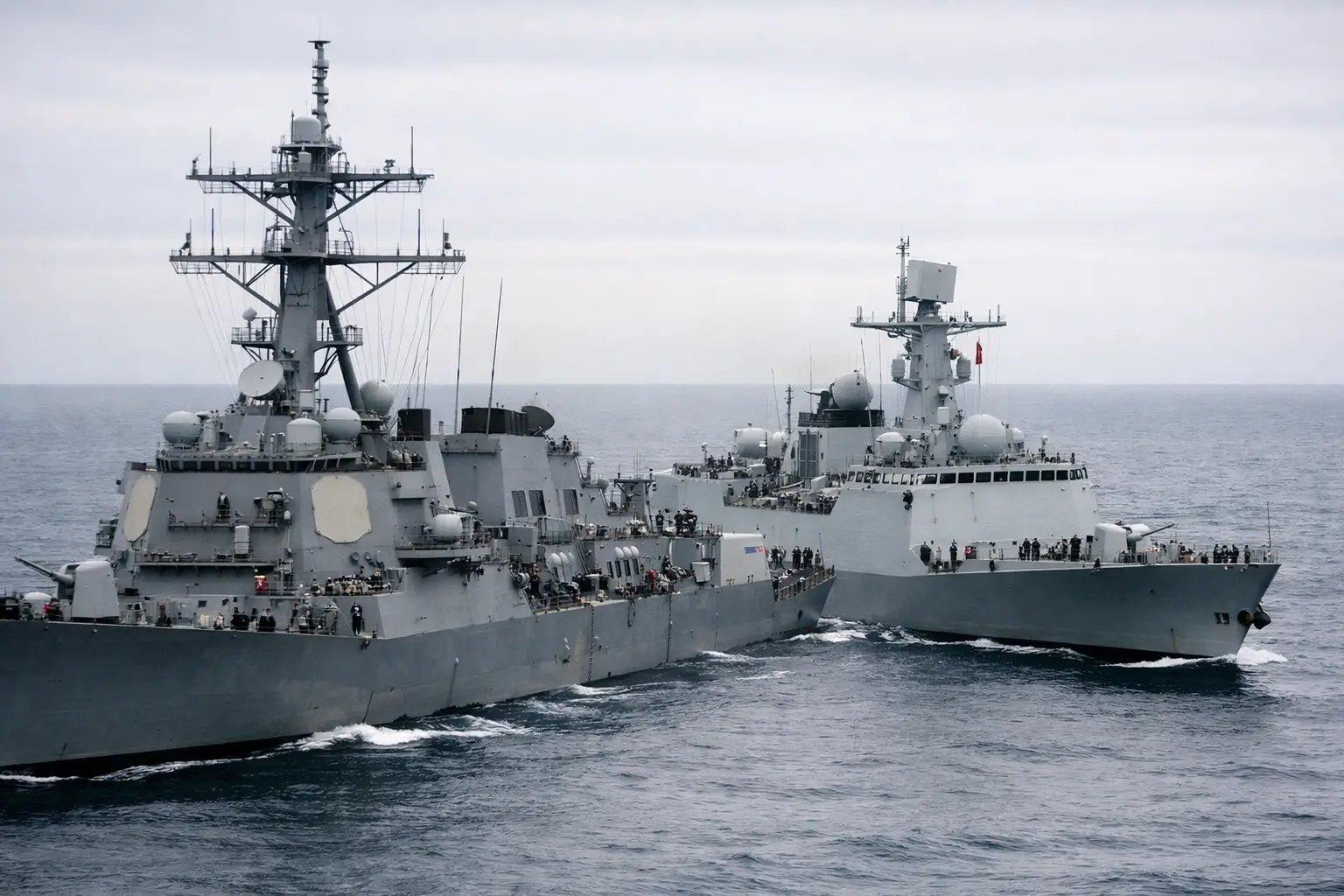
New pattern emerging in the waters around Sabina Shoal has drawn attention to interactions between China and the United States. The episode has been described as distinct from previous close maritime contacts and prompts scrutiny of how naval encounters are managed at sea. Questions now center on whether this represents an isolated tactical variation or the start of a different operating practice between the two countries’ maritime forces.
The encounter comes against a backdrop of sustained naval activity and diplomatic tensions in the wider South China Sea. States in the region and maritime operators routinely stress the importance of clear communications and established procedures to prevent accidents. International instruments and bilateral arrangements designed to reduce the risk of unintended escalation—such as protocols for safe navigation and standards for professional conduct at sea—exist to limit dangers inherent in close encounters.
The immediate implications of this particular incident are practical and political. On the operational level, navies and coast guards must consider how to adapt movement, signalling and engagement practices to preserve safety. On the diplomatic level, the event underscores the need for dialogue about conduct at sea and transparency around routine or non-routine manoeuvres. Governments and regional bodies that monitor freedom of navigation and maritime security will weigh how such interactions influence stability and predictability in contested waters.
Responses in the coming days and weeks may include official statements, consultations through defence and diplomatic channels, and possible adjustments to rules of engagement or communication protocols. Observers will also watch whether existing mechanisms for de‑confliction and crisis prevention are invoked or reinforced. For reference on one of the principal naval services involved, see the US Navy, and for official information from the other side, see the Chinese government. How states translate this encounter into policy or practice will determine whether it remains a notable episode or becomes part of a new pattern in maritime interaction.


