

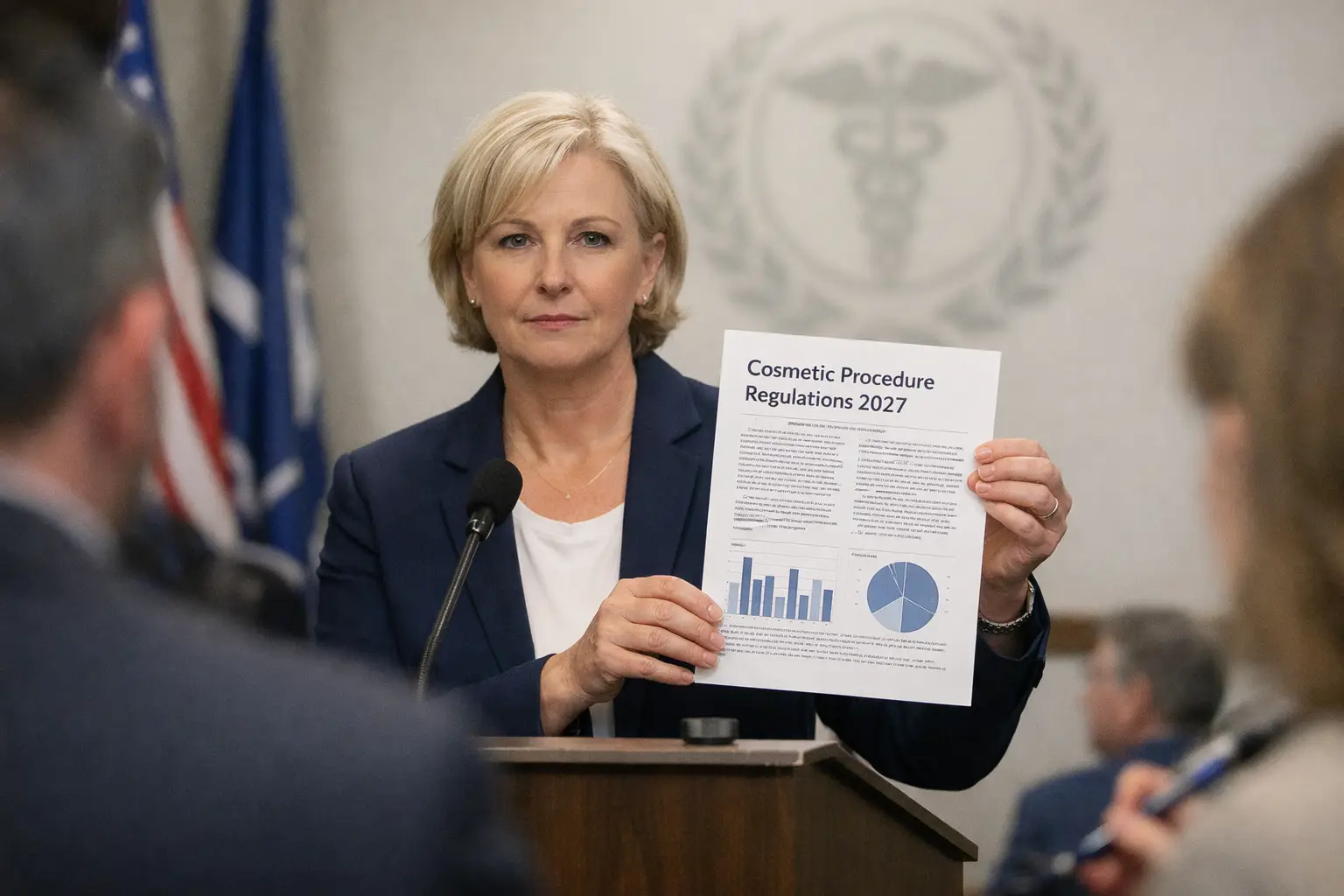
New rules set to curb unsafe aesthetic treatments will take effect in England in 2027, introducing limits on who may perform cosmetic procedures and financial penalties for those who breach the new requirements. The measures are presented as a patient-safety step intended to reduce incidents where operations or interventions go wrong and leave people harmed.
The planned framework will place constraints on the professionals and settings authorised to deliver a range of cosmetic interventions, and will create sanctions for operators who flout the rules. Regulators and policy makers framing the change have emphasised the need for clearer boundaries around competence, oversight and accountability in an expanding sector of care delivered both in clinics and non-hospital settings.
Practices offering aesthetic services are likely to face a period of adjustment. Clinics may need to review staffing arrangements, evidence of qualifications and clinical governance arrangements; some providers that currently operate with limited oversight could be required to alter their models or cease particular activities. For clinicians and practitioners, the new regime is expected to increase emphasis on verifiable training, record-keeping and professional accountability. For patients, the change aims to make it easier to identify legitimate providers and seek redress when treatments cause harm.
With implementation set for 2027, further detail on enforcement mechanisms, exact scope and transitional arrangements is expected to follow from the authorities responsible for health and professional standards. How those rules are applied in practice will determine their impact on safety, access and the commercial market for cosmetic services. The move marks a clear shift toward more formal regulation of an area that has grown rapidly in recent years and where calls for stronger oversight have become more prominent.


