

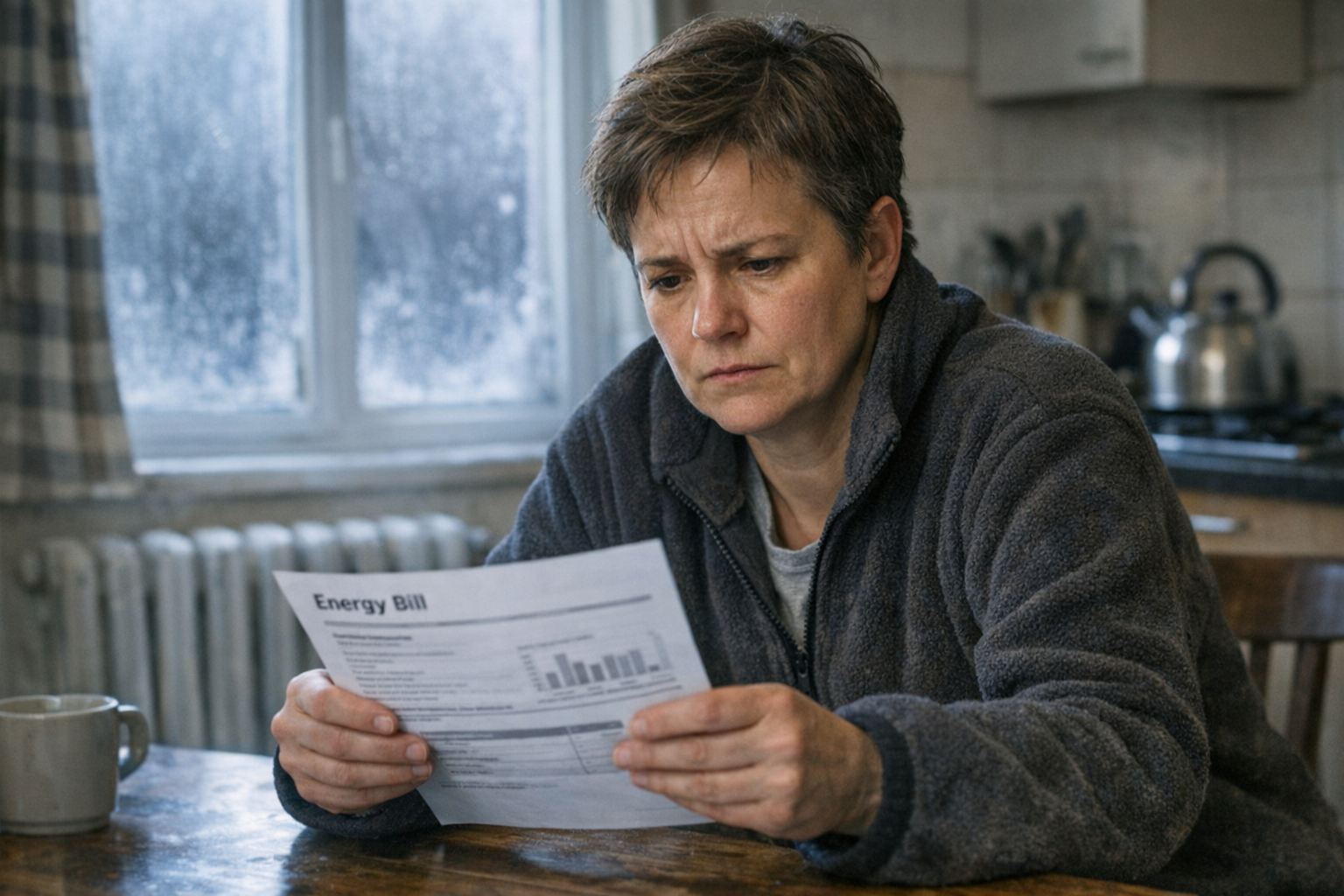
Winter energy costs are expected to climb to a three-year high after regulator Ofgem announced an upward adjustment to the energy price cap. The change will affect millions of households by increasing the maximum amount suppliers can charge on standard variable and default tariffs, with impacts concentrated among those on the busiest billing arrangements.
The price cap is designed to limit what consumers pay per unit and per day, rather than setting bills themselves, and its revision reflects movements in the wider market for wholesale gas and electricity. Rising energy prices feed through to the cap during scheduled reviews, meaning household bills respond to broader supply and cost pressures rather than only to individual supplier actions.
The decision comes as many households enter the colder months and face tighter budgets. Higher headline caps translate into steeper monthly outgoings for families on default tariffs, prepayment meters and those who have not moved to fixed deals. While the cap constrains the highest prices consumers can be charged, it does not equalise all bills and leaves room for variation between tariffs and suppliers.
Policy-makers, consumer groups and industry participants will be watching how the adjustment affects arrears, fuel poverty and demand for emergency support. The revision intensifies scrutiny on measures aimed at protecting vulnerable households and on whether further regulatory or fiscal steps will be proposed to ease transitional impacts. Energy suppliers will also need to manage operational and commercial responses as retail margins and customer accounts adjust.
Ofgem carries out periodic reviews of the cap and will continue to monitor market indicators in coming months. In the short term, the increase signals a period of heightened pressure on household budgets and public debate over affordability. Households are advised to review their tariff options and available assistance channels as the winter season progresses.


