

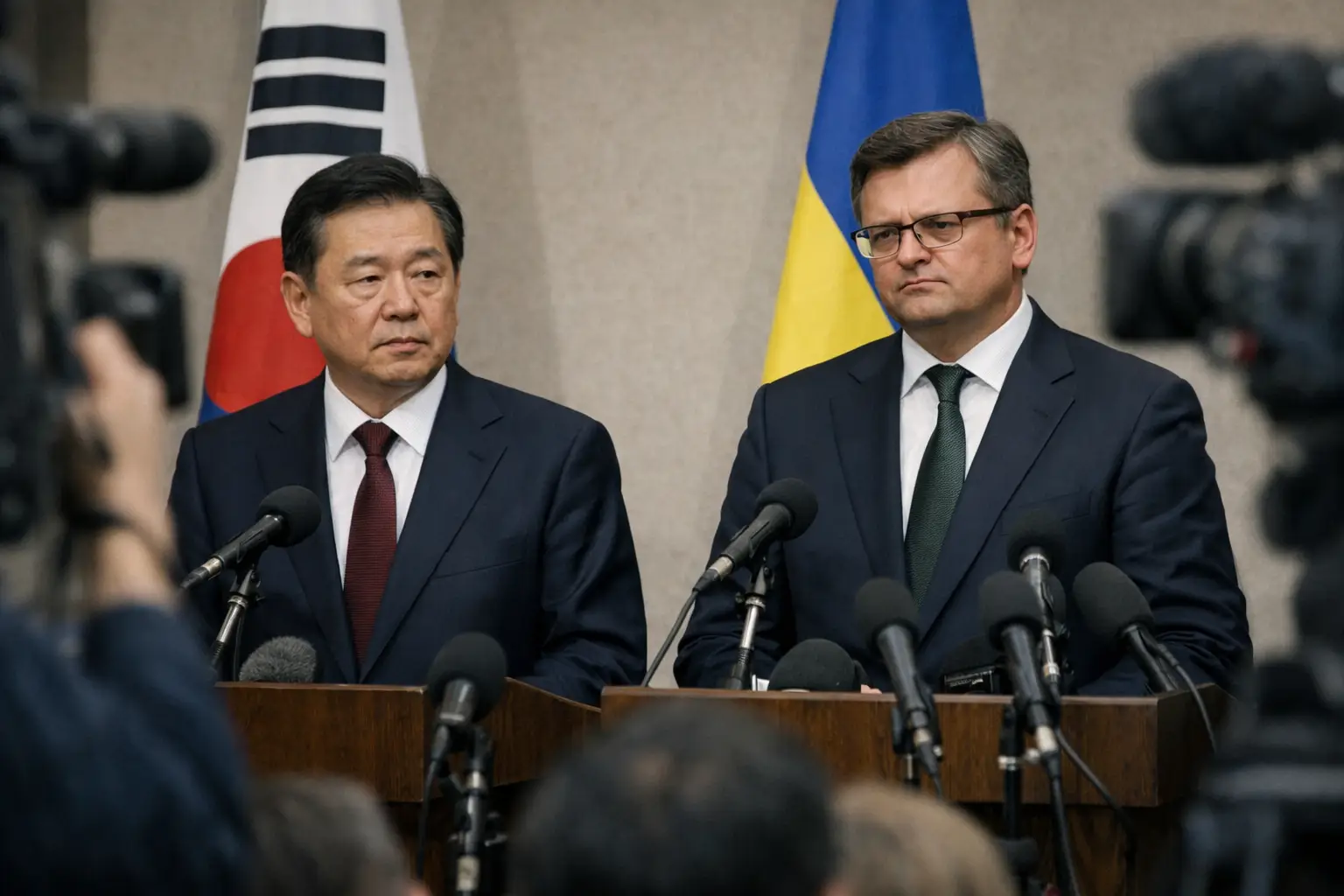
Diplomatic tensions have erupted after the transfer of two prisoners of war from North Korea prompted South Korea to demand a formal apology from Ukraine. The move has been described as a diplomatic scandal, centring on how and why the individuals were moved and the responsibilities of the governments involved.
The case concerns two servicemen taken into custody during recent hostilities and subsequently transferred across borders. Transfers of combatants and detainees often trigger legal and diplomatic scrutiny because they intersect with questions of custody, chain of command and international norms. Seoul’s public demand for an apology signals that it views the transfer as a serious breach requiring a political response.
In Kyiv, officials and diplomatic observers are watching the fallout closely. Public statements from Ukrainian institutions have so far been limited; meanwhile, the episode has already drawn attention to the procedures used in handling prisoners during conflict and to the diplomatic channels used to resolve such disputes. The incident has prompted enquiries within diplomatic circles as governments assess obligations and possible remedies.
Next steps are likely to include bilateral communications between the capitals and scrutiny from other partners with interests in the region. Depending on the outcomes of any inquiries, the episode could influence aspects of cooperation and information-sharing between the countries involved, and it underscores broader concerns about the handling of detainees in conflict settings. Observers say the situation will be a test of diplomatic processes for addressing cross-border incidents involving third-country nationals.


