

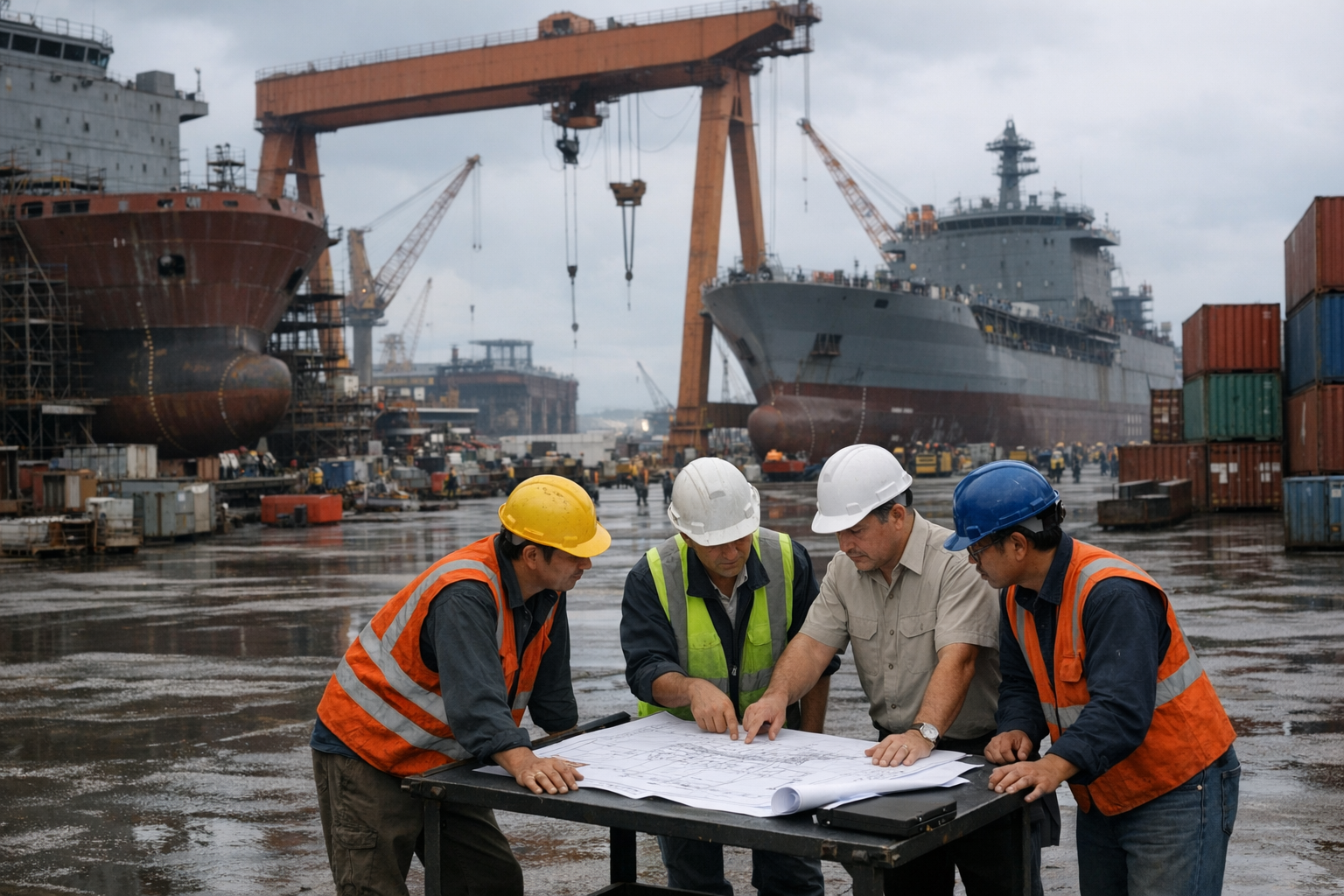
Shipbuilding in Southeast Asia faces a pivotal moment as regional demand patterns, infrastructure investment and shifting supply chains create both prospects and vulnerabilities for the industry. Governments and private firms in the region are evaluating how to translate rising maritime trade and energy-sector needs into sustainable industrial growth while meeting tighter environmental and safety standards. The balance struck today will determine whether national yards capture higher-value work or remain focused on lower-margin repair and small-vessel construction. ASEAN coordination on standards and cross-border investment could be influential, particularly as firms seek predictable regulatory frameworks.
On the opportunity side, expanding cargo flows and regional logistics integration create demand for a range of commercial vessels and repair services. Local shipyards can also benefit from nearby markets for offshore support and coastal infrastructure maintenance. Investment in technology, quality control and higher-end systems could enable yards to move up the value chain, capturing more of the design, outfitting and retrofitting work. Linkages with port upgrades and supply-chain nodes are crucial, making collaboration with operators and financiers as important as upgrades to physical facilities. Readers seeking broader sector coverage can consult the tag shipbuilding and trends in maritime trade to follow developments.
Risks remain significant and diverse. Competition from established East Asian shipbuilders with deep supplier ecosystems and scale presents a persistent hurdle. Dependence on imported engines, specialized components and certain raw materials can expose yards to supply disruptions and cost volatility. Compliance with evolving environmental regulations and emissions standards adds technical and financial pressure, and shortages of skilled skilled labor or managerial capacity can limit the ability to deliver complex projects on time. These dynamics mean that small shifts in demand or cost structures can quickly affect profitability across the sector.
The implications extend beyond individual firms to broader economic policy. To harness opportunities while containing risks, the region will likely need coordinated investments in workforce training, quality assurance and green technologies, alongside improvements in ports and logistics. For countries seeking industrial diversification, shipbuilding presents a pathway to higher-value manufacturing — provided public and private actors align incentives, address supply-chain fragilities and commit to long-term skills development rather than short-term capacity expansion alone.


