

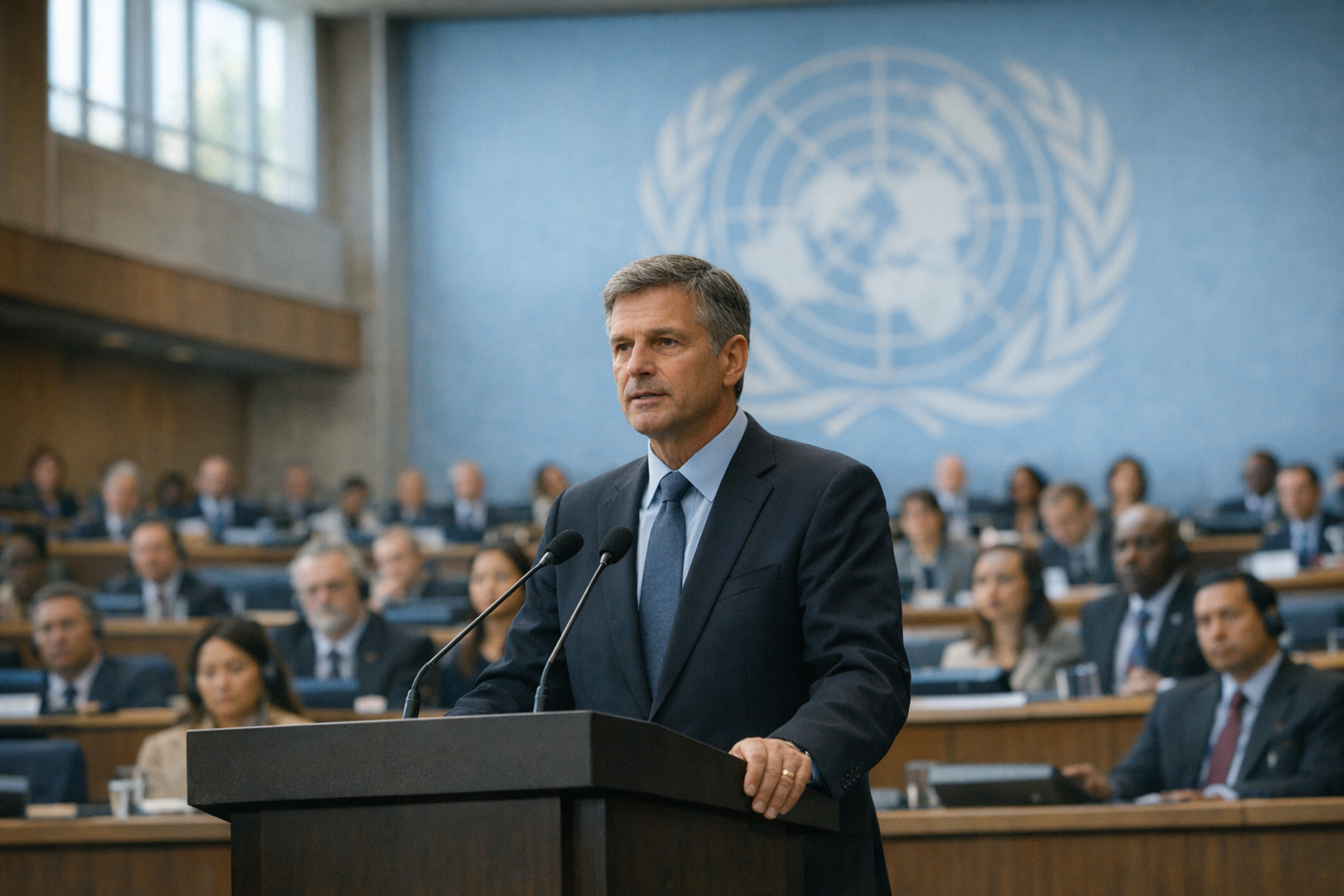
UN Secretary-General’s role has long combined administrative leadership and quiet diplomacy, but a fresh debate is urging a more pronounced moral and mediating presence — described by some commentators as a “secular pope.” Proponents argue that in an era of overlapping crises and polarized capitals the world needs a neutral figure capable of convening parties, offering ethical weight and steering negotiations where state-based institutions struggle.
The idea rests on familiar functions within the international system: the Secretary-General already performs shuttle diplomacy, publishes assessments and can bring concerns to the Security Council. Past incumbents such as Dag Hammarskjöld and Kofi Annan are frequently cited as examples of secretaries-general who exercised strong personal influence in mediation efforts. Advocates for a “secular pope” model suggest building on that precedent by enhancing the office’s convening authority and moral visibility without converting it into a supranational judiciary.
Practical challenges to that vision are substantial. The United Nations operates within a framework of member-state sovereignty and political constraints, notably the Security Council’s structure and veto powers, which limit unilateral initiatives. Any evolution of the Secretary-General’s role would therefore require careful balancing: strengthening neutrality and credibility while avoiding perceptions of partiality or overreach. Observers also underline the need for clearer institutional support — from better resourced mediation teams to coordinated engagement with regional organizations and civil society — to turn moral authority into effective conflict-management capacity. Relevant diplomatic themes include mediation and geopolitics.
Whether framed as a pragmatic upgrade to existing practices or as a more symbolic elevation of international leadership, the proposal raises questions about the future shape of global governance. Its adoption would carry implications for how crises are managed, how states negotiate compromises and how the international community projects credibility. Any movement toward a stronger, morally resonant mediator at the heart of diplomacy would unfold alongside broader discussions on United Nations reform and the allocation of political and material resources to preventive diplomacy.


