

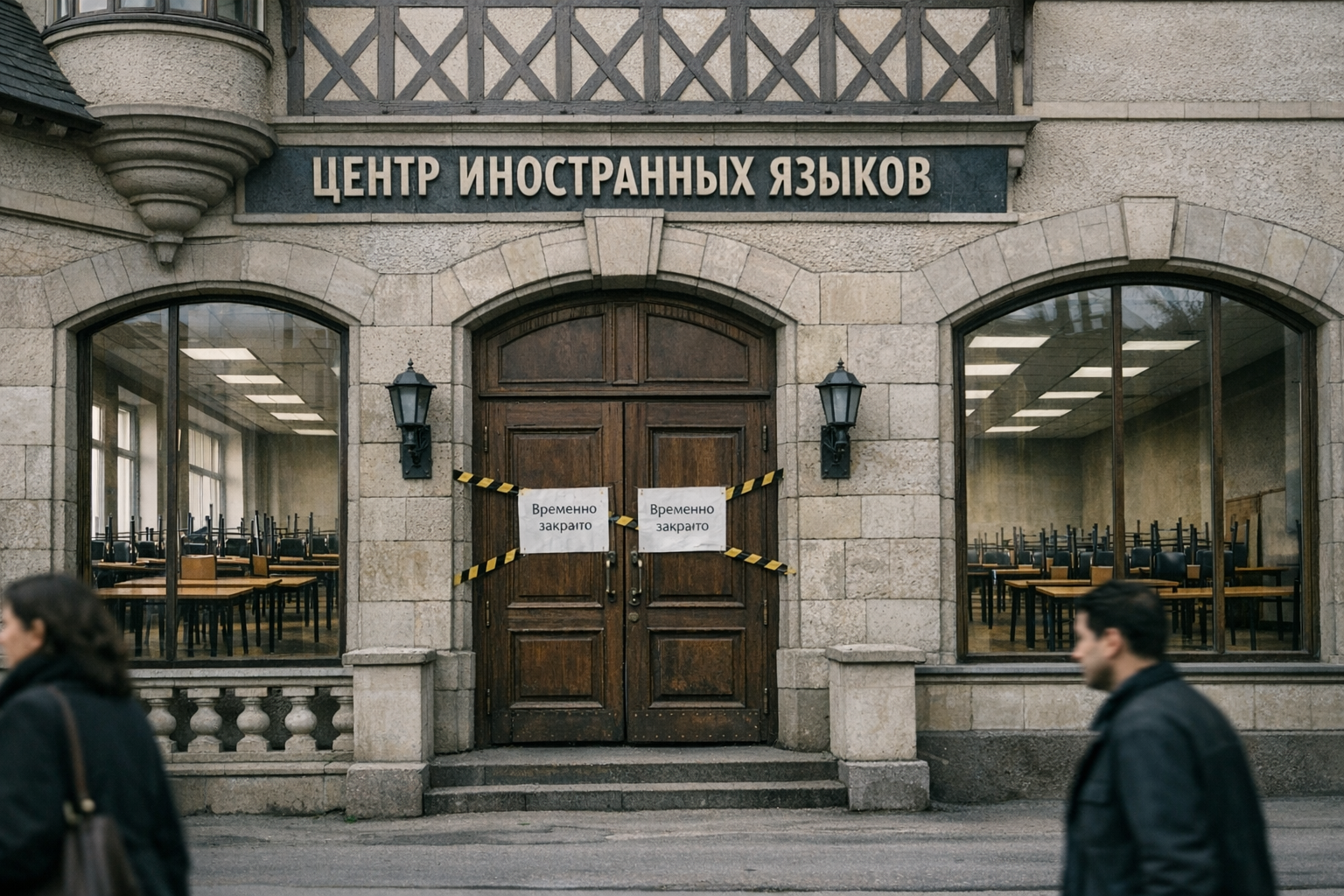
Affected students and teachers across Russia described abrupt disruptions after the closure of the Goethe-Institut offices in the country. Readers of Deutsche Welle recounted cancelled language examinations, delayed enrollment for courses in Germany and the sudden loss of regular cultural programming that had served as a practical gateway for many aspiring students and professionals.
The institute had functioned as a testing centre and provider of certified German language qualifications needed for university entry and professional recognition. With local examination dates removed from calendars and preparatory classes interrupted, individuals who require validated certificates to complete applications to German institutions reported being unable to meet deadlines they had planned around. For many, substitution of comparable assessments is not straightforward: recognized certificates are often specific to particular providers and schedules.
Those affected described a range of immediate responses. Some sought online courses and remote testing options where available; others began exploring testing centres in neighbouring countries or different certification pathways. Educational advisers, cultural organisers and prospective applicants face logistical and financial hurdles as they reassess timelines for study, work or residency applications that depended on German language certification. At the same time, cultural groups and independent tutors have attempted to fill some gaps, offering virtual classes and ad hoc exam preparation, though not all solutions provide formal certification.
Beyond the practical impact on individual plans, readers emphasised the wider implications for cultural exchange and long-term ties between Russia and Germany. The presence of the Goethe-Institut had been described as a stable point of contact for language learning and artistic collaboration; its absence leaves a reduced institutional channel for dialogue. Until alternative arrangements are established, students, educators and cultural practitioners say they must navigate a more fragmented landscape of options to pursue study and professional exchange in Germany.


