

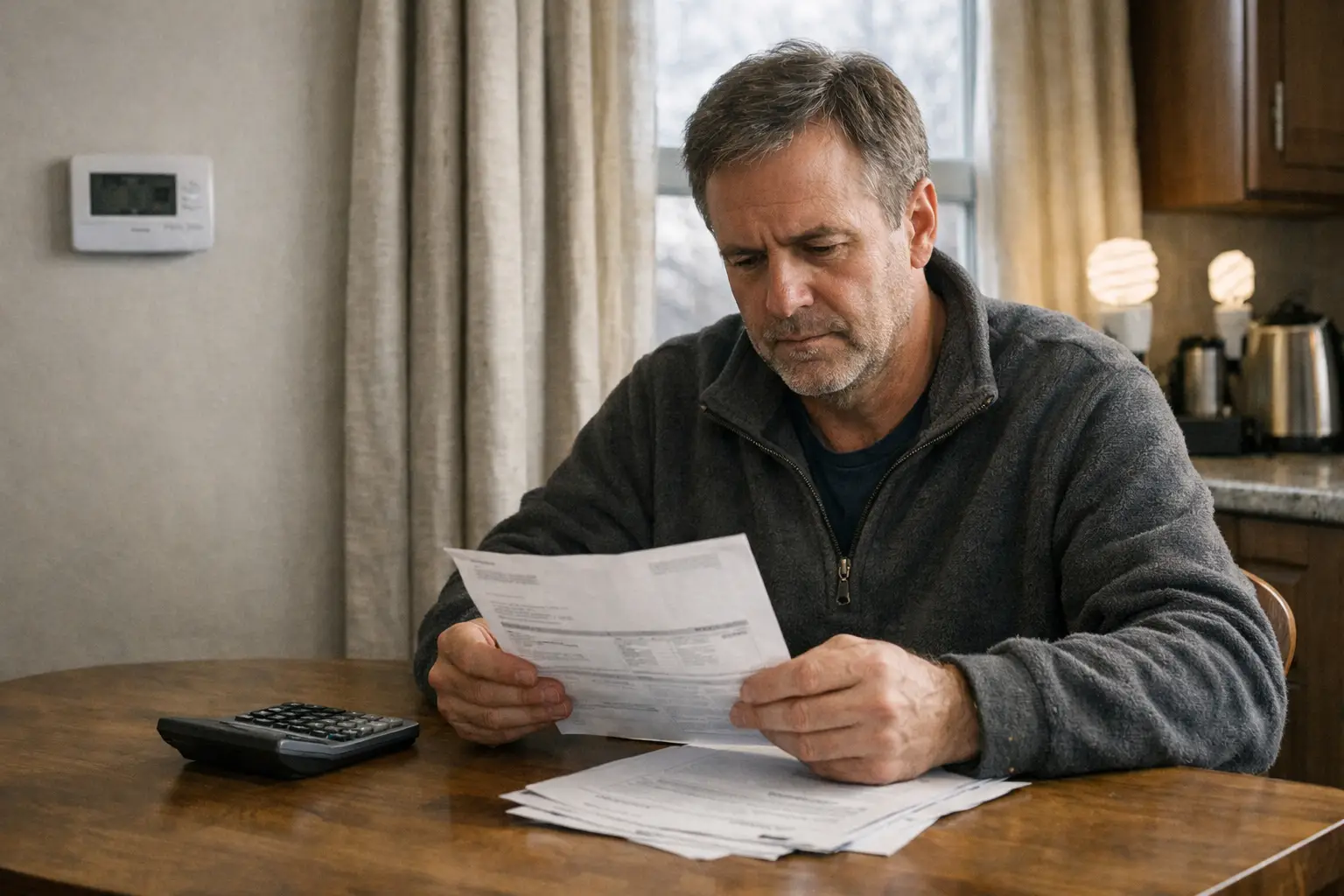
Household energy costs are set to climb, adding fresh pressure to household budgets already stretched by everyday expenses. While families cannot control wholesale markets or tariff decisions, they can reduce waste, improve efficiency and avoid preventable charges. The most immediate step is to understand the bill itself: tariff type, payment method, estimated usage and any debt balance can all affect the final amount paid each month.
Submitting regular meter readings remains one of the simplest protections against overpayment or sudden catch-up bills. Estimated readings can leave households paying too much in the short term or facing a larger adjustment later. Customers with smart meters should still check that readings are being transmitted correctly. Official guidance from Ofgem and energy suppliers can help consumers understand their rights, billing rules and support options when payments become difficult.
Reducing consumption does not have to mean major renovations. Small changes can make a difference when repeated daily: lowering unnecessary heating, using timers, avoiding standby power where possible, washing clothes at lower temperatures and keeping radiators clear of furniture. Draught-proofing doors and windows can also limit heat loss without requiring large spending. For households considering upgrades, improvements to insulation, heating controls or appliance efficiency may offer longer-term benefits, though any investment should be weighed against the expected saving.
Payment management is also important. Households struggling with energy bills should contact their supplier before arrears build up, as firms may be able to offer payment plans or direct customers to available support. It is also worth reviewing whether a direct debit reflects actual use, especially after changes in household size, working patterns or heating habits. Keeping records of readings, bills and contacts with suppliers can help resolve disputes more quickly.
The rise in energy costs will affect households differently, depending on property size, heating system, insulation and income. The most effective response is usually a combination of accurate billing, careful use and early communication with suppliers. With prices moving higher, attention to energy efficiency is no longer only an environmental concern; it is becoming a central part of household financial planning.


