

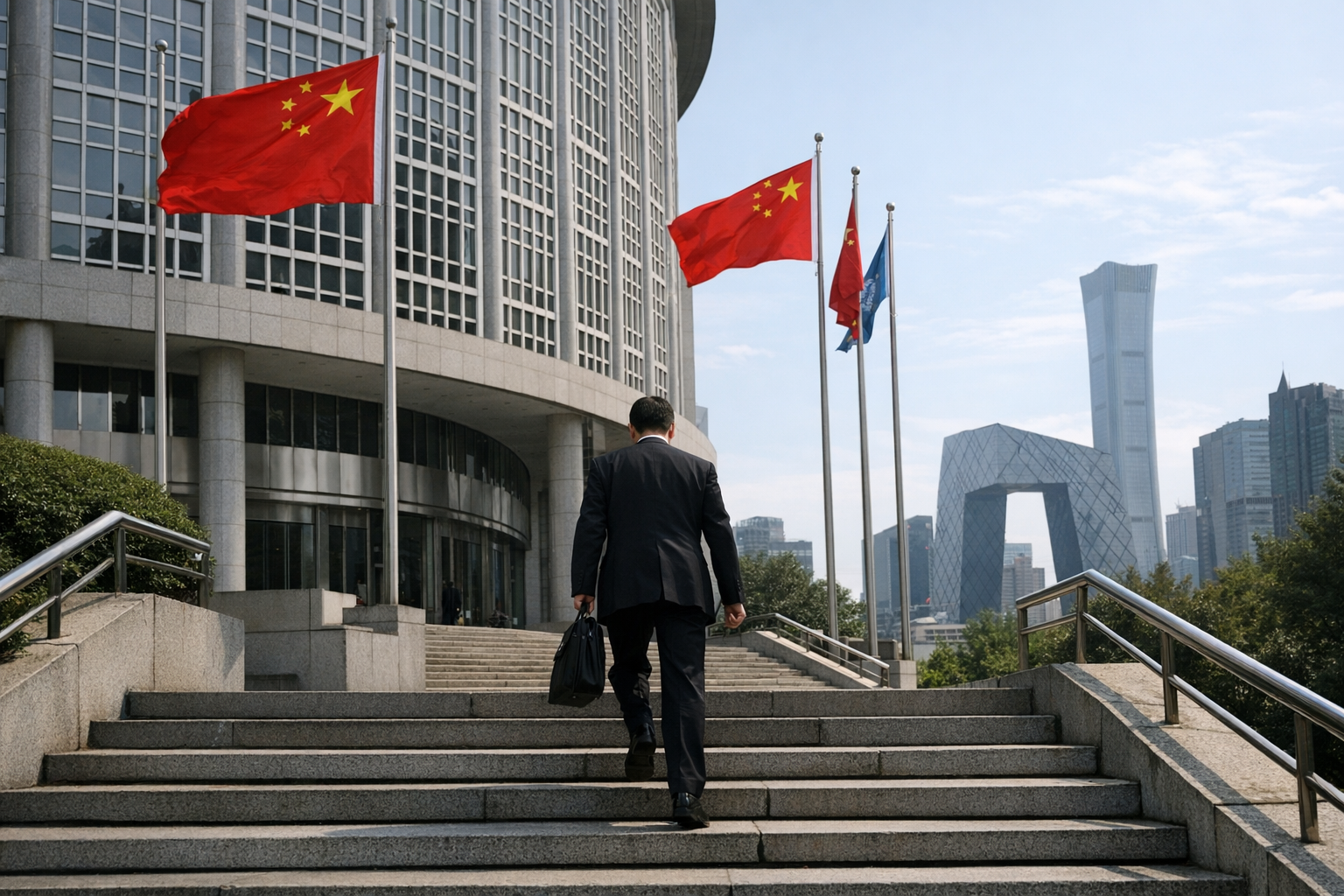
China has elevated a former ambassador to Mongolia to a senior role overseeing Asian affairs, a personnel change that officials present as a recalibration of diplomatic execution. The appointment, confirmed in state channels, places an experienced envoy in a post designed to coordinate relations with neighbouring states and regional institutions. Observers note the move emphasizes practical experience in bilateral relations over ideological profile in this specific assignment.
The promotion has been described by official sources as part of a wider internal reshuffle within the foreign-policy apparatus. The Ministry of Foreign Affairs framed the change as an effort to strengthen on-the-ground diplomacy and interagency coordination. The new post holder’s background in Ulaanbaatar is expected to bring direct knowledge of cross-border trade, security dialogues and people-to-people exchanges to the region-facing portfolio.
Despite the operational intent, the elevation underscores limits inherent to institutional structure. Strategic direction of external relations remains set by the Chinese Communist Party leadership and central government policy priorities, which condition the scope of any individual office’s initiative. Bureaucratic continuity, existing treaty frameworks and long-term economic plans constrain rapid redirection of policy, meaning personnel shifts may refine implementation without altering strategic fundamentals.
For regional partners and capitals across Asia, the appointment is likely to be read as a signal of pragmatic engagement rather than a substantive policy reversal. Diplomats and analysts say the effective test will be whether the new appointee can translate embassy-level experience into coordinated regional initiatives that align with Beijing’s broader objectives. Future indicators to monitor include changes in bilateral visit patterns, negotiation formats with neighbouring states and adjustments to multilateral cooperation mechanisms.


