

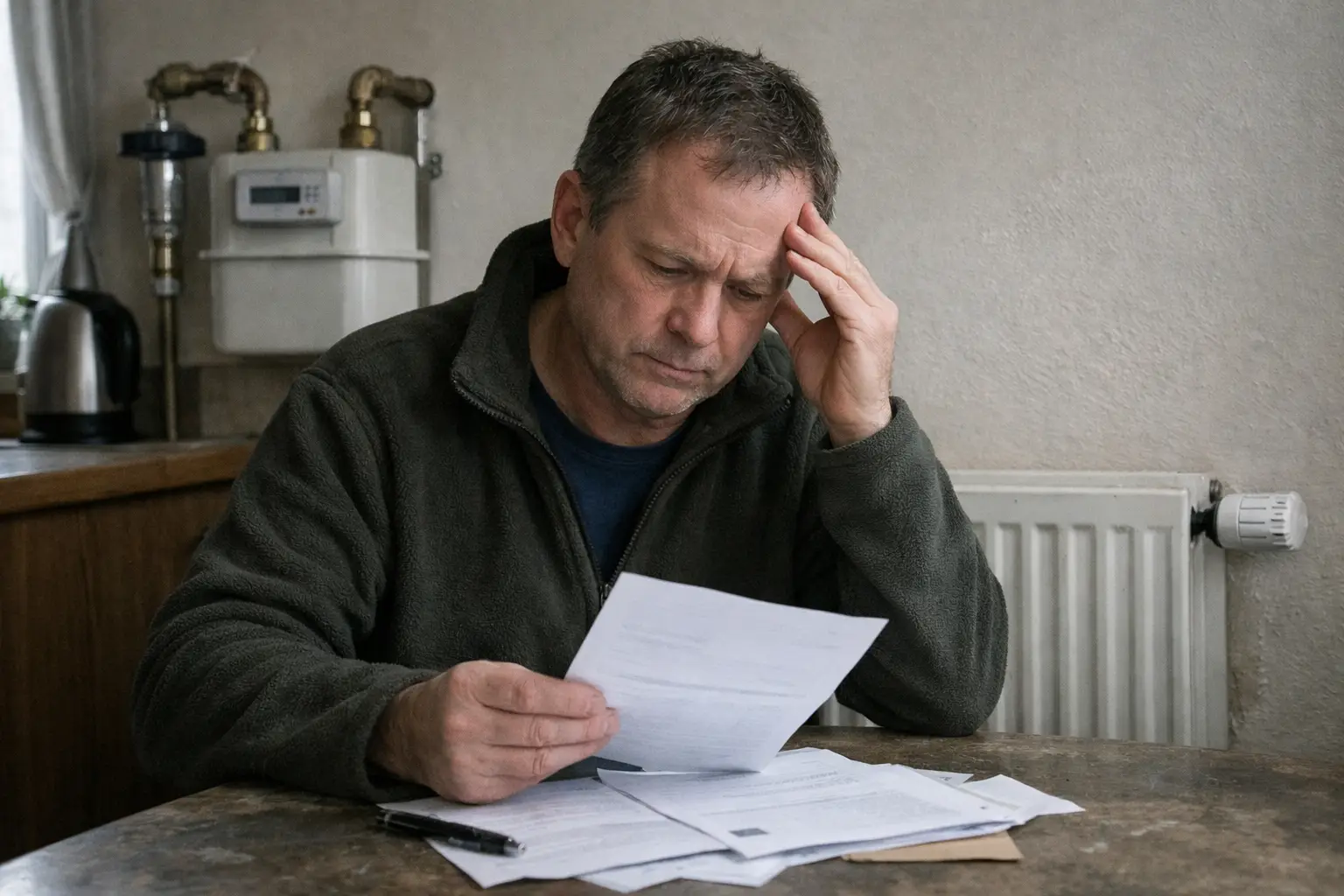
Households face a sharper squeeze on winter budgets as domestic gas prices are set to rise significantly in January under the new energy price cap determined by Ofgem. The regulator’s forthcoming decision will define the maximum charges applied to standard domestic energy tariffs, making it a key moment for millions of homes entering one of the highest-consumption periods of the year.
The price cap plays a central role in the energy bills paid by customers who are not on fixed deals. It limits the unit rates and standing charges suppliers can apply, but it does not set a ceiling on the total amount a household pays. Final bills continue to depend on how much gas and electricity each home uses, meaning colder weather or higher consumption can still push costs above the headline level associated with the cap.
The January increase is particularly sensitive because gas remains a major source of heating for households across the United Kingdom. Any rise in domestic gas prices feeds directly into family budgets, especially for renters, pensioners and lower-income households with limited room to absorb higher essential costs. The change also matters for consumer confidence, as energy payments are among the recurring expenses most closely watched during the winter months.
Ofgem sets the cap to reflect costs faced by suppliers, including wholesale energy prices and other regulated components of the bill. The mechanism is designed to protect consumers from excessive charges while allowing suppliers to recover legitimate costs. Even so, changes in the cap can be felt quickly by customers on variable tariffs, who may see their payments adjusted after the new level takes effect in January.
For households, the immediate consequence is the need to review usage, payment arrangements and available support before the higher rates apply. The announcement will also renew attention on the wider affordability of household energy, a recurring pressure point since volatile wholesale markets began driving sharper swings in bills. With the new cap due to shape costs at the start of the year, the regulator’s decision will be closely watched by consumers, suppliers and policymakers alike.


