

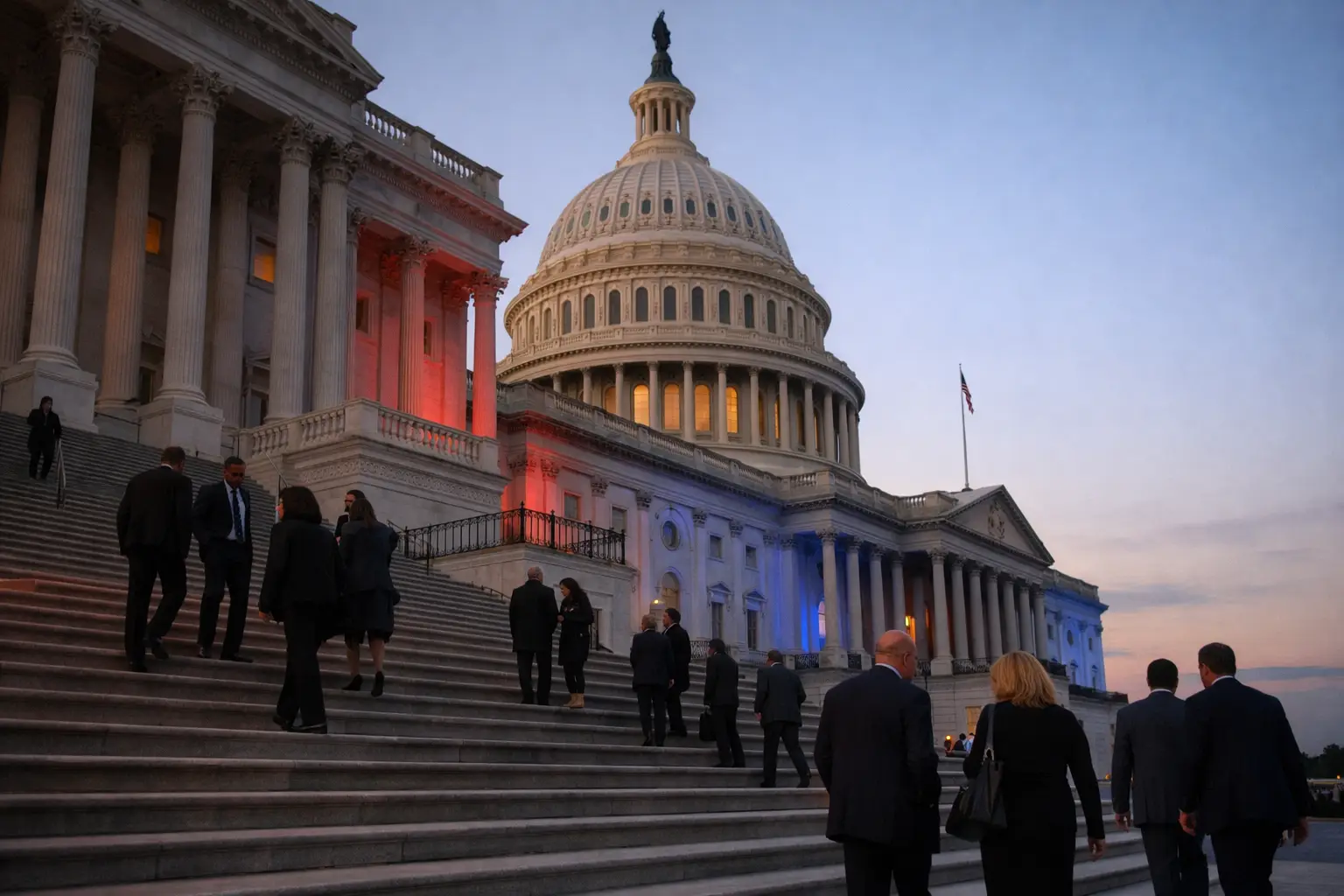
The US midterms have delivered a major political setback for Donald Trump and the Republican Party, with the Democrats taking control of Congress. The result changes the balance of power in Washington at the midpoint of Trump’s presidency and gives the opposition a stronger institutional platform after two years of Republican dominance across the federal government.
The immediate consequence is domestic. Control of Congress gives Democrats greater leverage over legislation, federal spending and scrutiny of the administration. For the White House, that means a more difficult path for priorities requiring congressional approval. It also increases the likelihood of sharper oversight, as committees can examine decisions taken by the executive branch and demand political accountability.
For Trump’s Republicans, the vote underlines the limits of presidential campaigning in a nationalised midterm contest. The party remains central to the conservative electorate, but losing control of Congress narrows its ability to convert the president’s agenda into law. For Democrats, the victory is more than a symbolic rebound: it gives the party a governing role before the next presidential race and creates a public test of its capacity to act as both opposition and administrator.
The result also matters beyond the United States. Partners in the European Union will be watching how a divided Washington manages trade, security commitments and international cooperation. Congress cannot direct every aspect of foreign policy, but it influences budgets, sanctions and the political space available to the administration. A stronger Democratic presence may therefore complicate unilateral moves while increasing pressure for explanation and consultation.
The midterms do not remove Trump from office, nor do they settle the direction of American politics. They do, however, mark a clear institutional correction after the first phase of his presidency. The winners gain tools rather than unchecked power; the losers retain the presidency but face a more contested capital. For voters, allies and markets, the central message is that Washington has entered a period of negotiation, confrontation and closer scrutiny.


