

Taiwan’s mortgage curbs are changing who can buy homes in Taiwan, tightening access for borrowers who rely on bank lending while leaving buyers with substantial savings relatively unscathed. The measures, introduced by financial authorities to cool a heated property market, have shifted purchasing power toward those able to pay in cash or largely avoid mortgage exposure.
Taiwanese authorities have implemented stricter lending criteria and higher initial payment requirements designed to curb speculative demand and temper price growth. Lenders are applying these rules across new loans, altering the mix of eligible purchasers. While intended to stabilise the housing market, the rules have an uneven impact depending on buyers’ financial profiles and the financing channels they use.
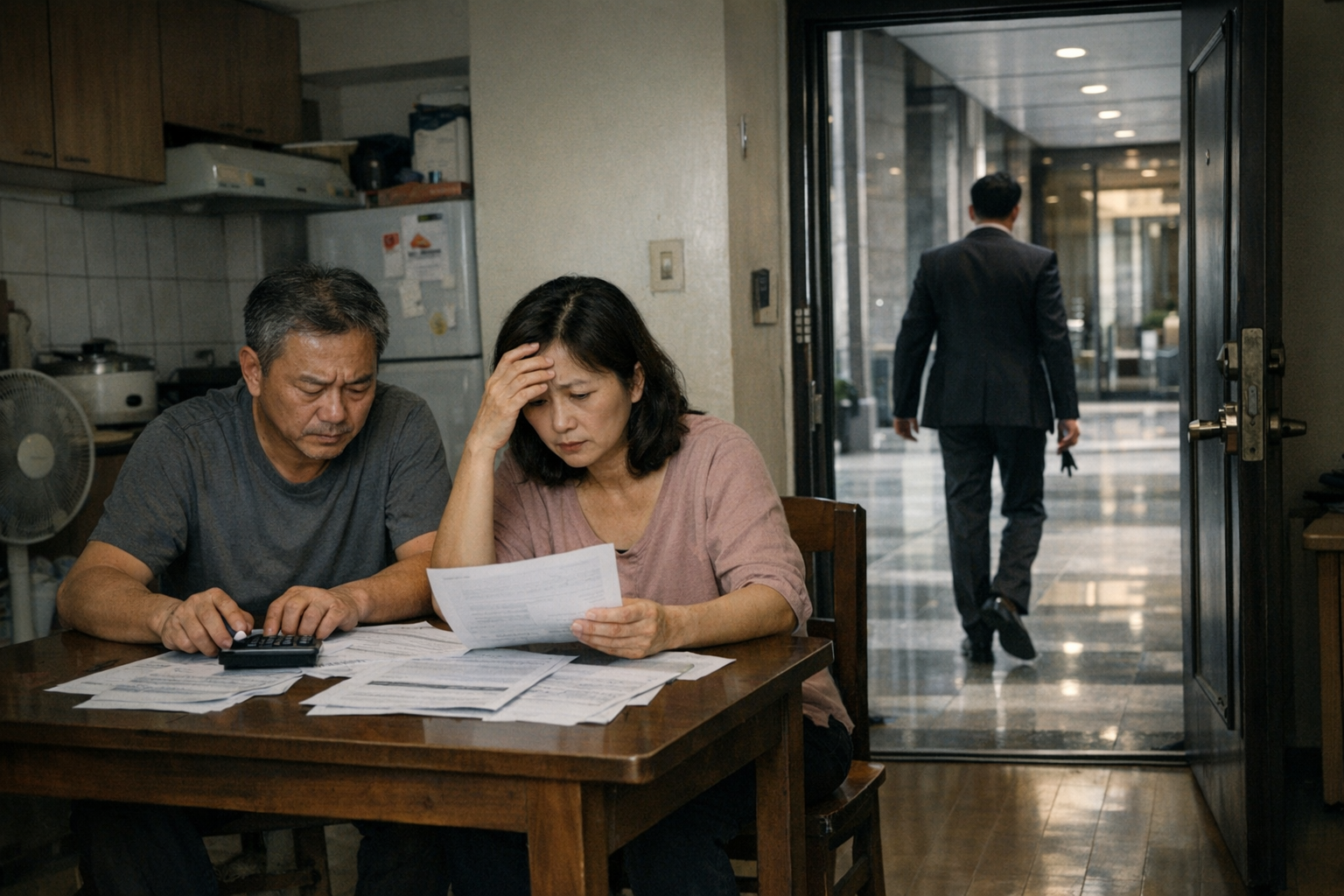
The immediate effect has been a discernible squeeze on middle-income households that traditionally depend on mortgages to enter the market. With borrowing made more restrictive, prospective buyers who lack large cash reserves face longer waiting periods or are priced out of preferred neighbourhoods. At the same time, investors and affluent buyers who can transact without full mortgage reliance continue to participate, contributing to a segmentation of demand and placing different pressures on sales of new and existing properties.
Developers and the broader housing sector are adjusting to altered demand patterns, with some projects experiencing slower uptake where buyers previously depended on loan financing. Policy discussions now focus on balancing the goal of curbing excessive price rises with concerns about accessibility for average earners. Observers say monitoring market responses and household debt indicators will be crucial to assess whether the measures reduce speculative activity without unduly restricting legitimate home acquisition.


