

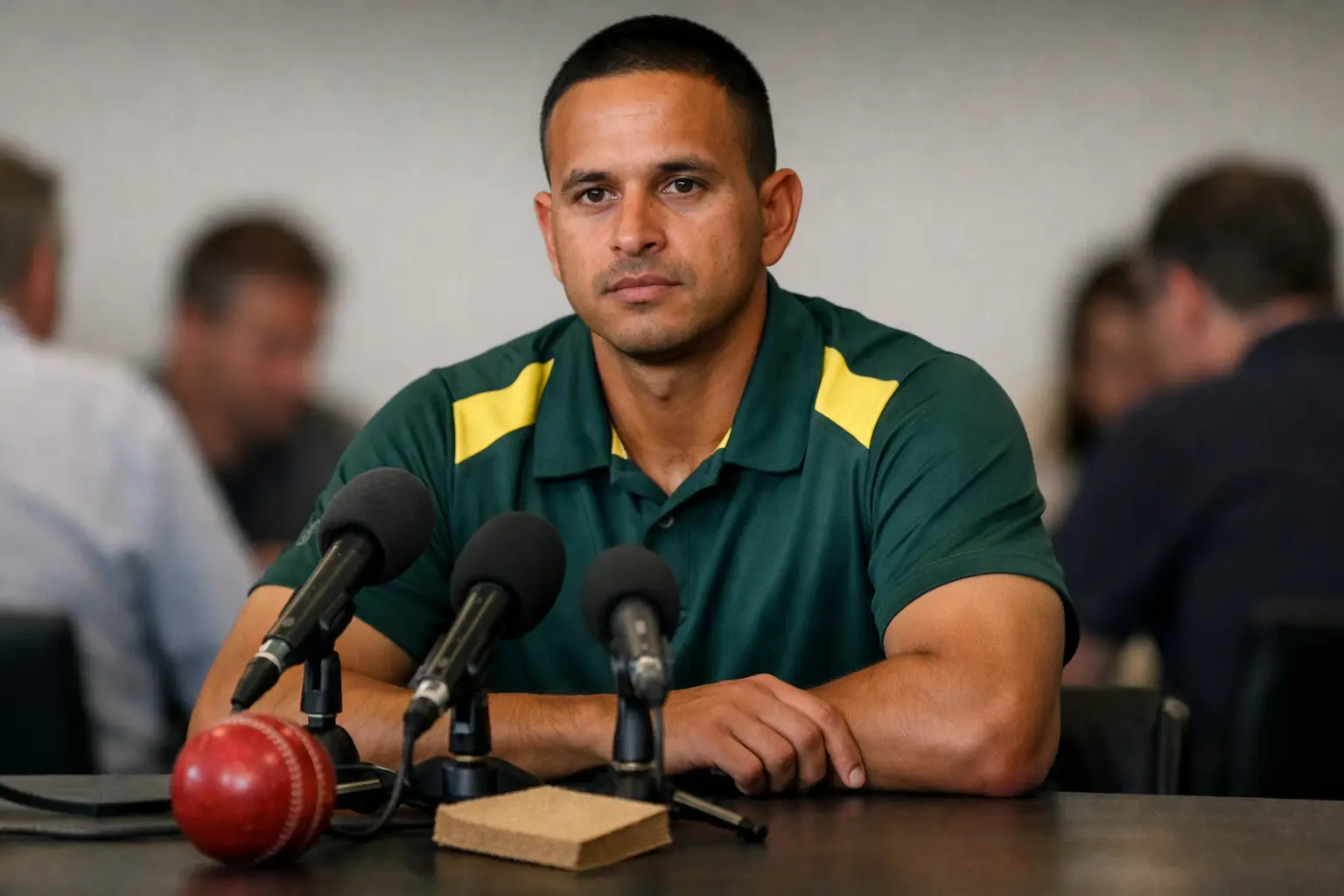
Usman Khawaja has revived one of the most damaging episodes in modern cricket by claiming that the whole Australia team knew about the use of sandpaper to alter the condition of the ball during the 2018 Test series in South Africa. His remarks place renewed attention on the breadth of awareness within the dressing room at the time, years after the scandal led to major sanctions and a period of deep institutional scrutiny.
The incident, widely known as the sandpaper ball-tampering scandal, erupted during the Cape Town Test against South Africa. Cameron Bancroft was seen attempting to change the condition of the ball, an act prohibited under the laws of the game. The fallout was immediate and severe: Steve Smith and David Warner received 12-month bans from international and domestic cricket imposed by Cricket Australia, while Bancroft was banned for nine months. Smith also lost the Australia captaincy.
Khawaja’s claim does not change the formal disciplinary record, but it sharpens questions that have persisted since 2018 about how much was known beyond the three players who received penalties. The original sanctions focused on responsibility for planning and carrying out the act, as well as leadership failures within the team environment. Any suggestion of wider knowledge matters because ball maintenance is usually a collective and highly visible part of Test cricket, involving bowlers, fielders and senior players throughout long passages of play.
The scandal remains significant beyond Australian cricket because it struck at the sport’s code of fair play. Under regulations overseen by the International Cricket Council, changing the condition of the ball through artificial means is an offence, as it can affect swing, seam movement and competitive balance. The Australian team spent the years that followed trying to rebuild its public image, with leadership, conduct and dressing-room culture becoming recurring themes in assessments of the national side.
For Australia, the episode continues to carry unusual weight because it combined on-field misconduct with a broader debate about team values. Khawaja’s statement brings that debate back into focus at a time when several players from that era remain central figures in the sport’s public memory. It also underlines how unresolved questions from major integrity scandals can continue to shape reputations long after suspensions have been served and official punishments completed.


