

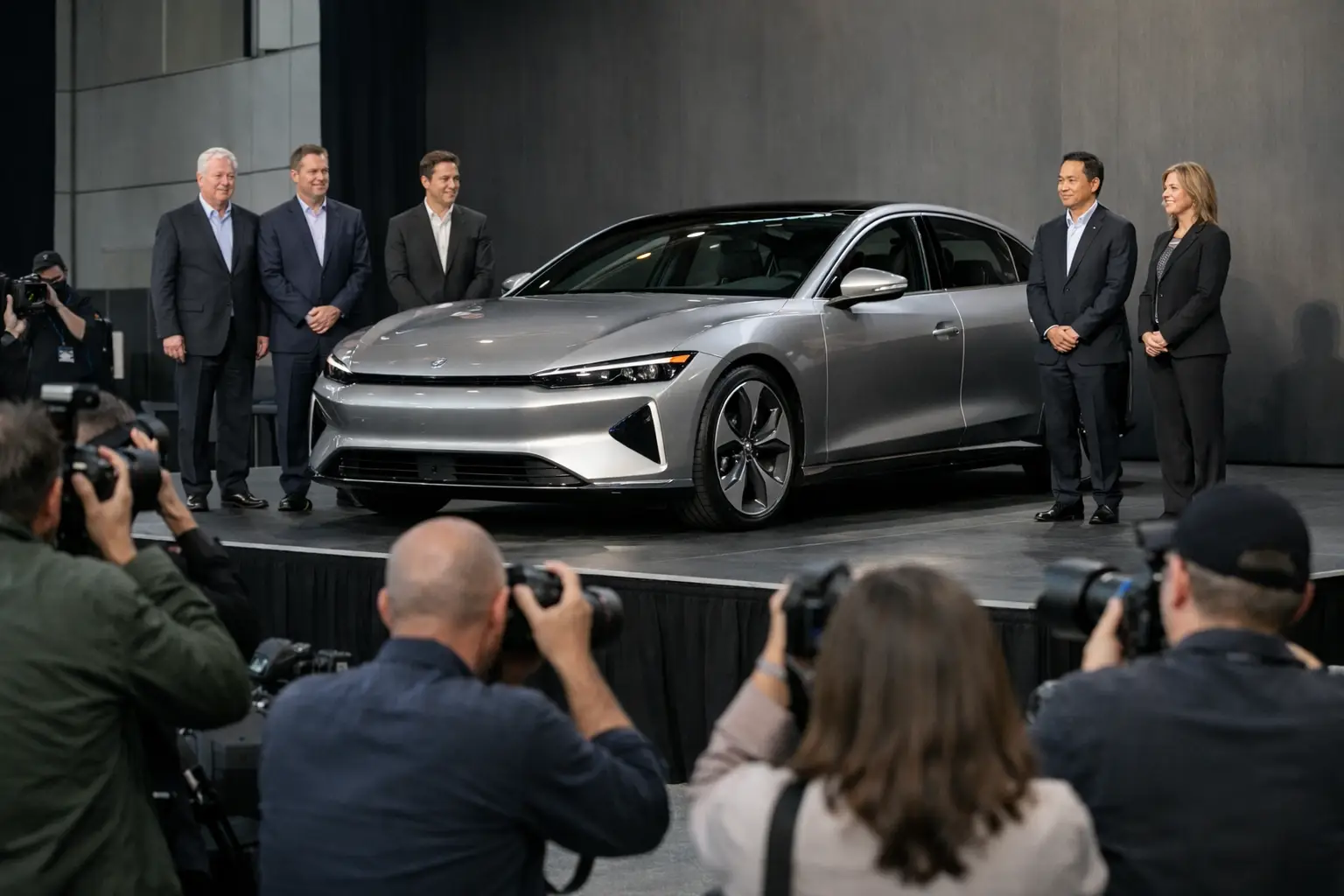
Jaguar unveils new electric vehicle two years after its brand relaunch by Jaguar Land Rover. The reveal has reignited discussion around the company’s strategic direction following a period of intense scrutiny and debate. The model’s presentation marks a visible step in the marque’s shift toward electrification and stands as an early indicator of how the broader repositioning will be received by consumers and commentators alike.
The relaunch by Jaguar Land Rover sought to redefine the brand amid operational and reputational challenges. Introducing a fully electric model is central to that effort, aligning Jaguar with a global industry trend away from internal combustion. The move addresses regulatory pressures, changing customer preferences and the need for legacy manufacturers to adapt product portfolios without losing brand identity.
The new vehicle’s market entry raises immediate questions about competition, pricing, and dealer readiness. Consumers and industry observers will evaluate how the car compares with existing electric cars on range, technology integration and ownership costs, while fleet buyers will watch for total cost-of-ownership calculations. For JLR, results from early demand, reviews and order books will inform whether the relaunch narrative can be translated into sustained commercial success.
Beyond short-term sales, the launch has strategic implications for production planning, supplier relations and future model roadmaps. The outcome will influence how the company balances investment between legacy models and new electric offerings. As the industry continues to shift, this unveiling will be scrutinised as a barometer of whether recent changes at Jaguar Land Rover are positioning Jaguar to regain momentum or simply prolong an unsettled transition for the British marque.


