

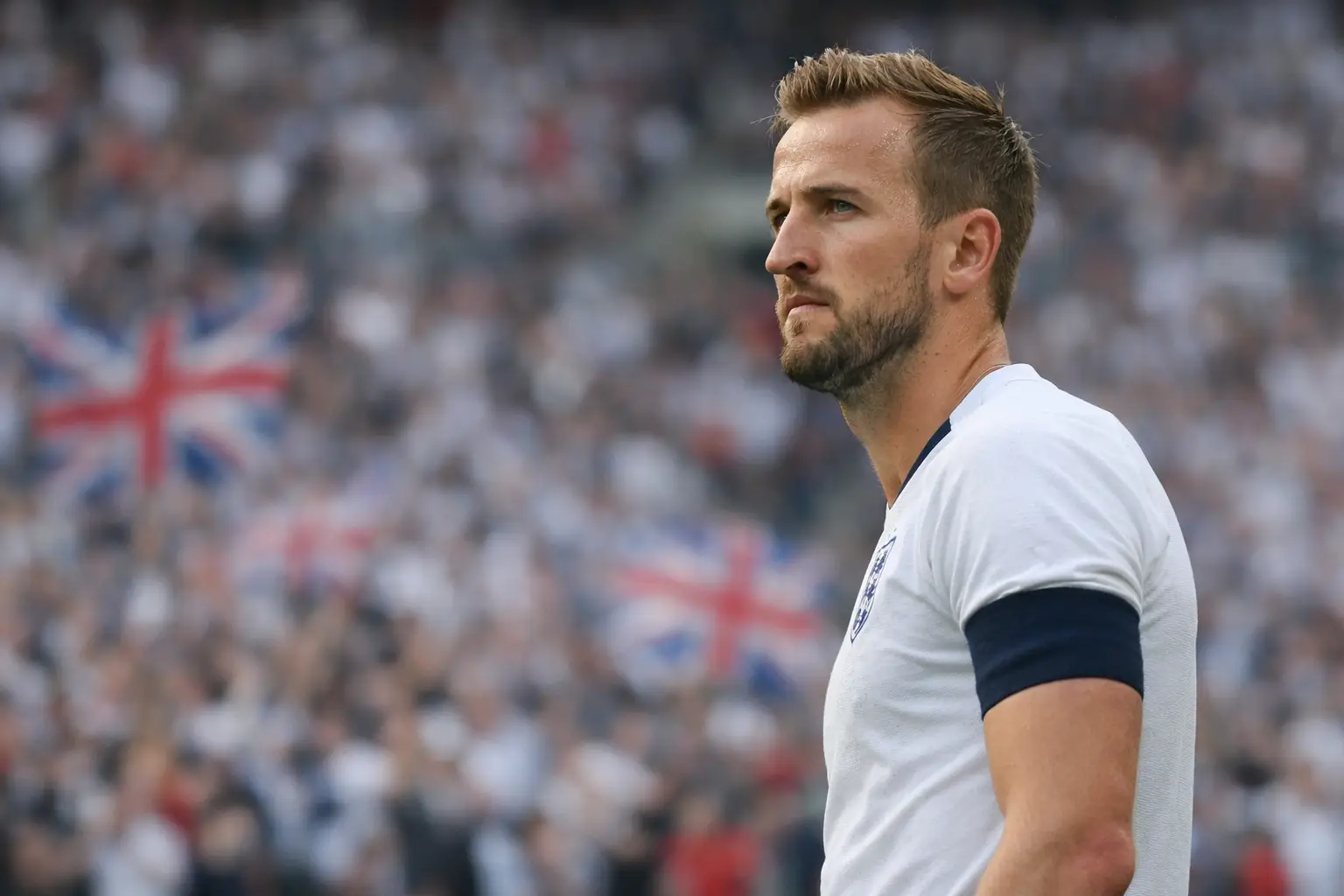
Harry Kane’s milestone — set to equal Peter Shilton‘s all-time appearance record for England — has focused attention on how modern players are measured against the nation’s legends. The achievement is notable not only for its statistical value but for what it reveals about longevity, consistency and the evolving demands placed on international footballers.
Assessing whether Harry Kane belongs among the very top of England’s pantheon requires looking beyond a single record. Appearances underline reliability and selection over time, while contributions on the pitch—goals, assists and match-defining moments—shape reputations. Leadership, adaptability to different managers and tactical systems, and influence in major tournaments also factor into evaluations of greatness.
Historical comparisons inevitably invoke names from different eras who left distinct legacies. Figures such as Peter Shilton, alongside other long-serving and influential internationals, built their standing through a mix of individual excellence and impact on team success. The debate spans generations: some players are remembered for iconic moments, others for sustained excellence. Changes in international calendars, club commitments and sports science complicate direct comparisons across decades of football.
The immediate consequence of the upcoming milestone is a renewed appraisal of how the national team selects and celebrates its greats. Reaching a record of appearances draws attention to a player’s career arc and invites scrutiny from media, historians and supporters alike. For the squad and coaching staff, such milestones can serve as a marker of institutional continuity and a reference point for younger players. Ultimately, equalling Peter Shilton will cement a chapter in the record books and prompt fresh discussions about where Harry Kane sits in the long view of England’s international history, measured by achievement, influence and the lasting memories left with fans.


