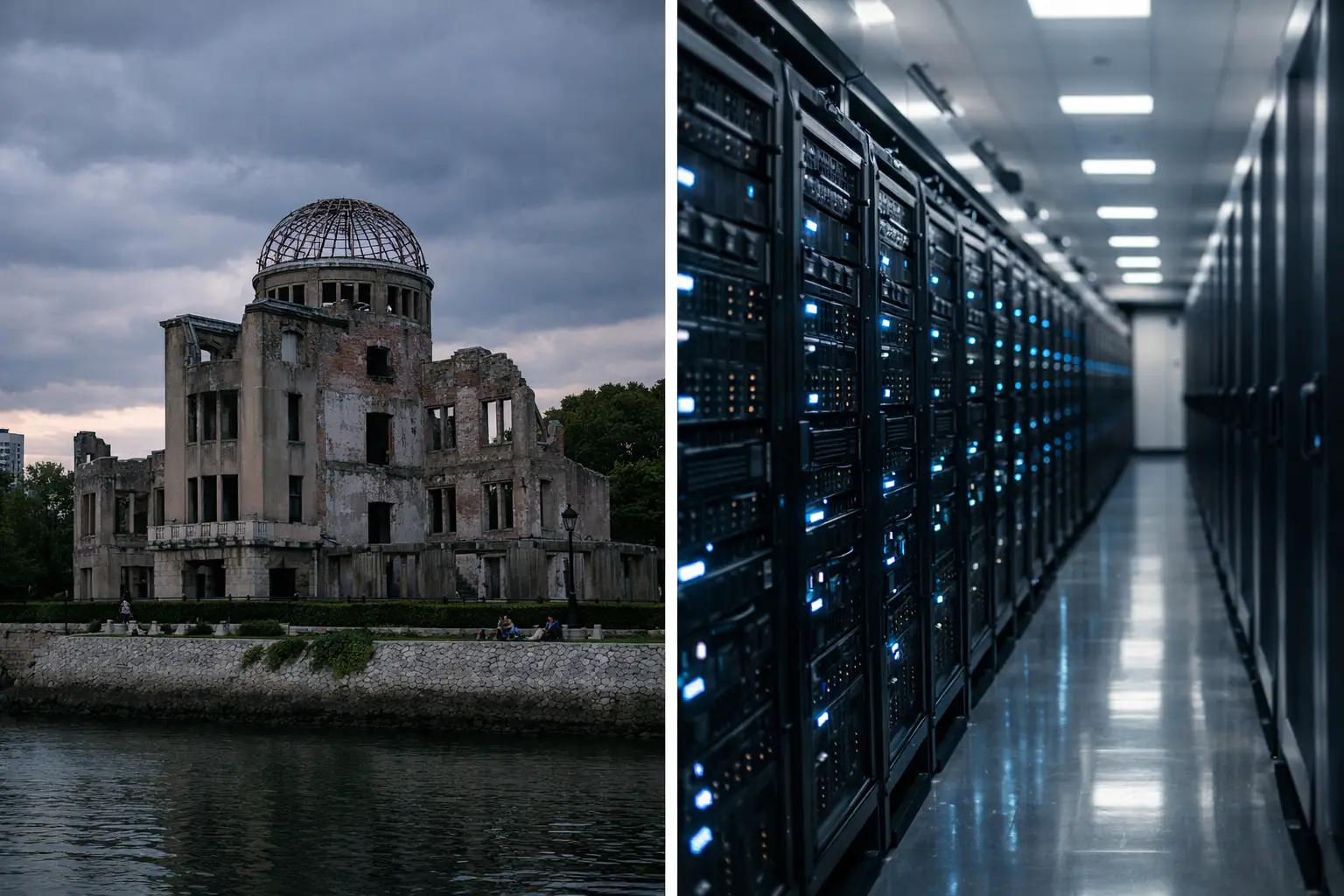
Historical atomic bombings of Hiroshima and Nagasaki in August 1945 remain stark examples of how technological breakthroughs can produce rapid, large-scale civilian harm. The two attacks — on 6 and 9 August respectively — caused immediate destruction across urban areas and created long-term health and environmental consequences for survivors. Beyond the immediate loss of life, the events reshaped international law, military strategy and public understanding of risk from transformative weapons.
The legacy of those bombings is now invoked in debates over artificial intelligence, because both cases underscore similar governance challenges: rapid technical advancement, asymmetric impacts on civilians, and the difficulty of anticipating secondary effects. Governments, companies and civil society confront questions about transparency, testing, accountability and the potential for unintended harms long before harms materialize.
Institutional responses developed after 1945 — from arms-control agreements to new norms in conflict law — illustrate tools that policymakers consider relevant to AI. Multilateral coordination, verification mechanisms, export controls and shared safety standards have analogues in current proposals for AI oversight. The role of international bodies is often highlighted: United Nations forums, regional alliances and industry-standard consortia are being discussed as platforms to align practices and reduce cross-border risks.
Practical implications for present-day governance include strengthening risk assessment, promoting transparency about capabilities, investing in independent evaluation and ensuring channels for rapid cooperation during crises. Historical precedent suggests that preventive measures and institutional structures can mitigate catastrophic outcomes, but they require sustained political will and multidisciplinary engagement. Preserving the memory of past technological catastrophes remains relevant as policymakers weigh regulatory choices for powerful, dual-use systems today.