

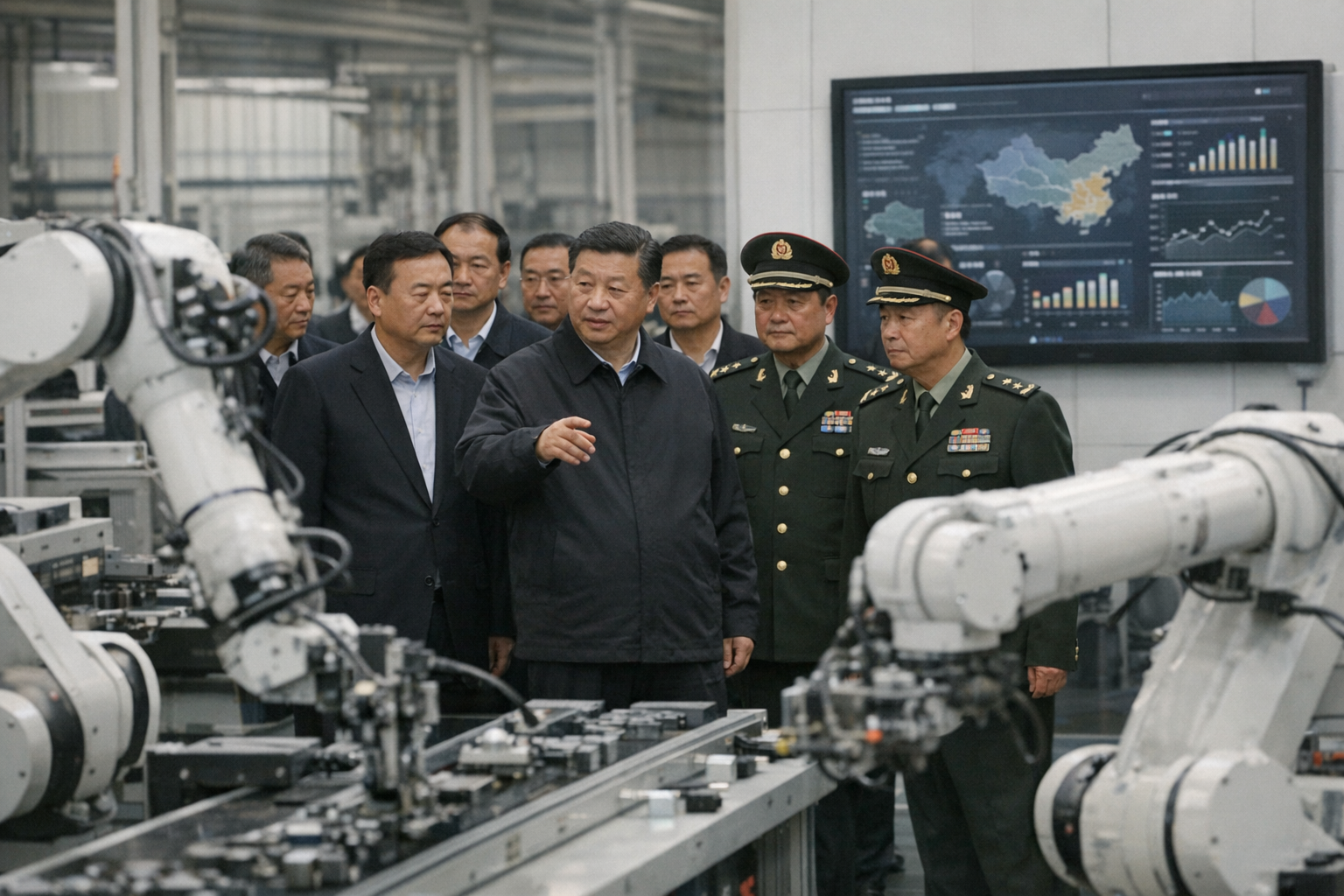
AI and robotics are rapidly altering the landscape of industry, defence and governance, and observers warn that China‘s current approach could accelerate that transformation. State-led investment, coordinated industrial policy and deep integration between research institutions and manufacturing have combined to create a formidable ecosystem for advanced automation. Stakeholders across sectors are reassessing supply chains, workforce strategies and competitive positioning in response to these shifts. For background on the technological themes, see intelligence artificielle and robotics.
The economic ramifications are already visible in decisions by firms and governments. Increased adoption of robotics and machine learning is changing productivity dynamics and the kinds of skills in demand, with implications for trade patterns and industrial policy. Regions and companies that can scale production of critical components and integrate AI into manufacturing processes may gain advantage, while others face pressure to reskill workforces and adapt regulatory frameworks to new business models.
On the military front, advances in autonomous systems, sensing and data fusion are prompting doctrinal and procurement changes. Modernization programmes emphasize integration of software, sensors and platforms, affecting force structure and operational concepts. The trajectory of these technologies intersects directly with the capabilities and planning of the People’s Liberation Army, as well as with defence investments elsewhere, shaping how states conceive of deterrence, escalation and battlefield logistics.
Politically, the race for technological leadership influences international competition over standards, exports and governance. Debates over data flows, export controls and ethical rules for autonomous systems are intensifying in multilateral forums and bilateral relations. The need for coordinated responses spans trade policy, research partnerships and international standards bodies such as United Nations processes. How democracies, industry and international institutions respond will affect not only market outcomes but the norms and legal frameworks that govern emergent technologies.


