

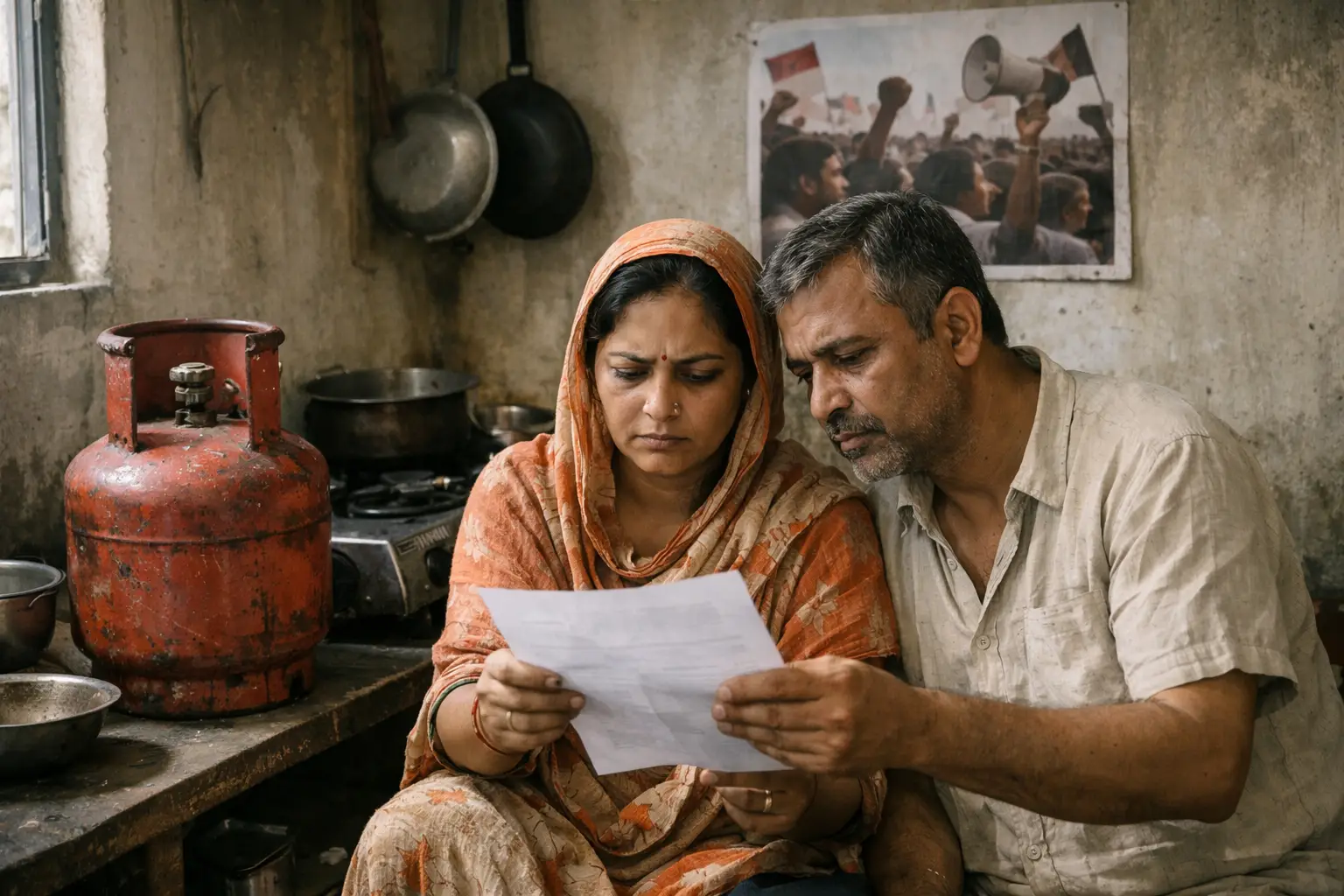
Cooking gas prices in Bangladesh have risen sharply in recent days, prompting a surge of public concern and a visible confrontation between the government and the opposition. The increase has dominated political debate and become a focal point for criticism over energy policy, cost of living and the management of fuel supplies.
Consumers and small enterprises across urban and rural areas report emerging burdens as the price change feeds into household budgets and operating costs. Vendors who rely on bottled gas for cooking and food preparation say margins are tightening, while ordinary families face higher monthly expenditures for a basic necessity that is central to everyday life.
The price move has triggered a torrent of accusations, with political leaders pointing fingers at rivals for perceived failures in oversight, procurement and subsidy policy. At the same time, trade groups and consumer advocates are calling for clearer explanations of how prices are set and for greater transparency from energy suppliers and regulators. Lawmakers have demanded information on supply chains and pricing mechanisms as the immediate public reaction intensifies.
Beyond the immediate political fallout, the episode highlights broader questions about energy governance and social protection in the face of volatile fuel costs. Observers say the situation could increase pressure for policy responses aimed at shielding vulnerable consumers and improving regulatory clarity. For now, the debate over responsibility and remedy is set to continue as households and businesses adapt to the higher cost of cooking gas.


