

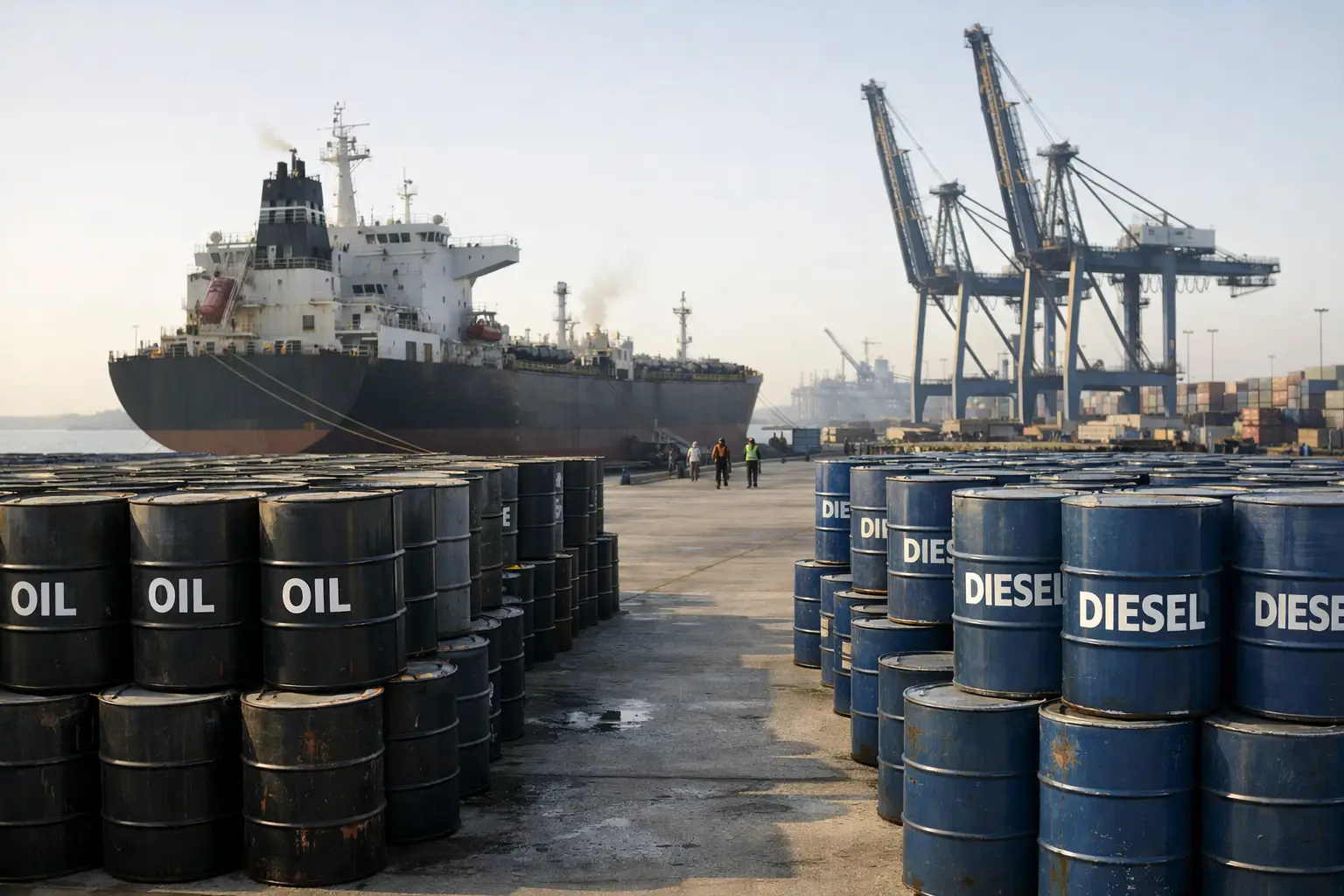
G7 countries announced a coordinated release of millions of barrels of oil and diesel, a measure presented as intended to head off further price spikes and to prevent a ban on exports of diesel from the United States. The decision comes after public pressure tied to threats affecting trade flows, and leaders framed the move as a collective market-management step.
The plan involves adding substantial volumes of crude and refined fuel into global channels to increase available supply. By placing more product on the market, the action is designed to relieve immediate upward pressure on prices and to reduce the risk that member states or partners resort to restrictive trade measures. Observers note the emphasis on both crude oil and refined diesel underlines the dual focus on energy markets and refined-fuel trade.
Coordination among major consuming and producing economies is central to the announcement, reflecting a consensus that unilateral responses can amplify volatility. The G7’s approach seeks to address short-term market dislocations while keeping existing trade channels open; avoiding a ban on diesel exports from the United States was cited as a motivating factor behind the timing and scope of the release.
Markets and policymakers will monitor how the additional supply is allocated across regions and how quickly it is absorbed by demand. The measure aims to stabilise near-term market conditions and to reduce incentives for abrupt policy responses, with implications for price trends and international fuel shipments. Officials described the move as a practical, cooperative effort to manage energy-market stress without resorting to trade restrictions.


