

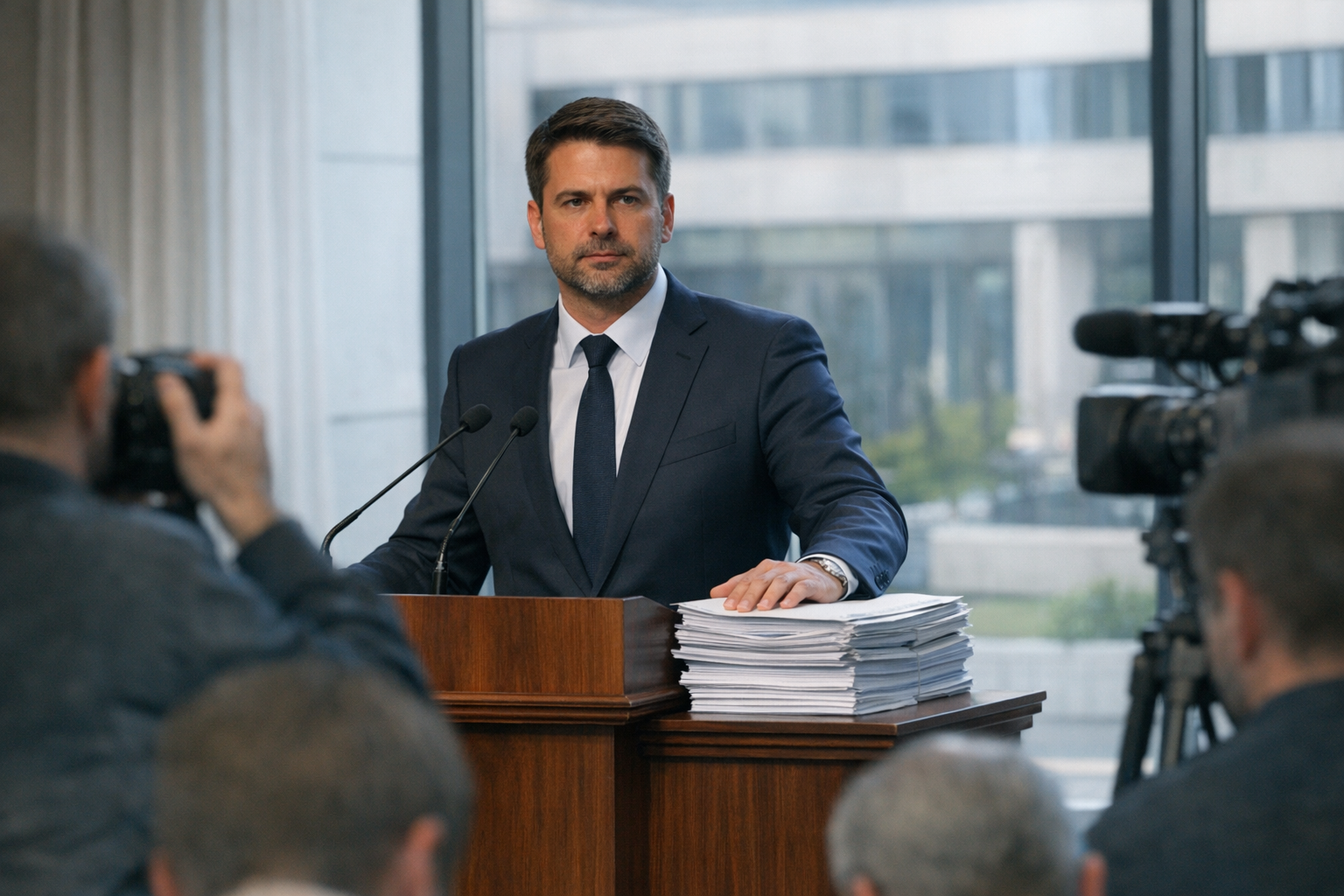
Hungary’s Prime Minister Peter Magyar has declared an intent to dismantle networks built during the era of Orban, and a series of high-profile arrests has followed. Authorities say the operations target entrenched systems linked to corruption and favoritism. The moves have intensified public expectations for rapid accountability, while law enforcement and judicial bodies have signalled that investigations and prosecutions will proceed within statutory frameworks. The situation has quickly become a focal point for debate about governance and legitimacy in Hungary.
The unfolding actions combine criminal inquiries with administrative measures aimed at institutional reform. Arrests of prominent figures have been reported, and citizens are calling for transparent handling of cases and recovery of illegally obtained assets. At the same time, experts stress that dismantling complex patronage networks requires thorough evidence gathering, witness procedures and legal review. External institutions, including the European Commission, monitor rule-of-law developments closely, adding an international dimension to what remains primarily a domestic legal process.
Public impatience for quick results sits against legal safeguards designed to ensure fair trials and prevent politically motivated prosecutions. Restoring public trust will depend not only on arrests but also on the clarity and neutrality of subsequent judicial proceedings, and on reforms to procurement, oversight and public administration. Observers note that sustainable change often requires institutional adjustments and stronger transparency mechanisms, and that such measures are likely to shape Hungary’s political and economic environment in the months to come. The broader topic of corruption and the rule of law will remain central to assessments of progress.
How quickly reforms translate into convictions, recovered assets and durable institutional change will be a core test for the new administration. Continued public scrutiny and independent judicial review are likely to influence both the pace and legitimacy of outcomes. Meanwhile, observers at home and abroad will watch whether the actions underway result in measurable improvements to governance, or whether they provoke new political tensions. The next stages of investigation and trial procedures will determine whether current momentum leads to long-term accountability and institutional resilience, rather than temporary disruption.


