

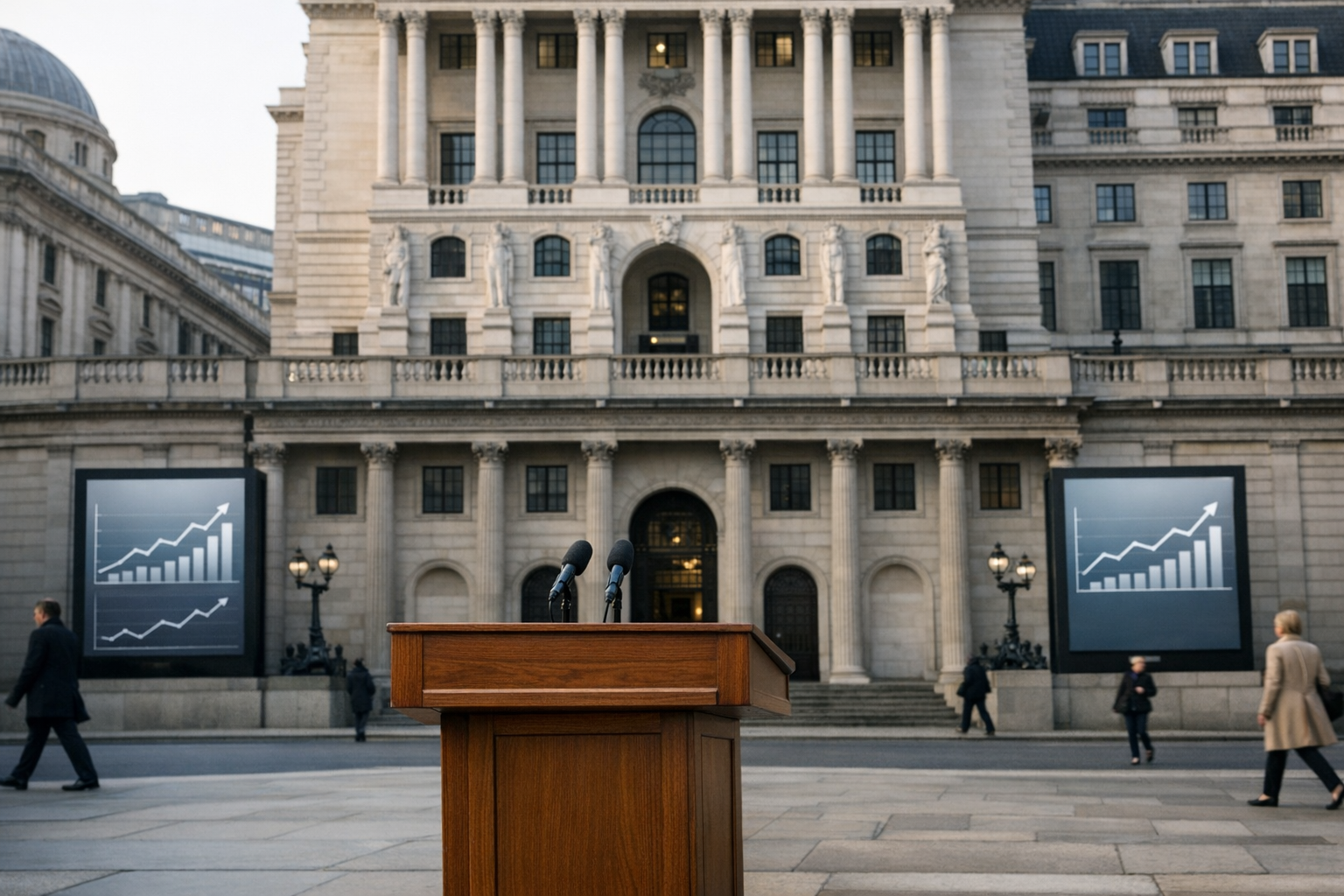
Interest rates held for a sixth straight decision as the Bank of England signalled greater caution about inflation risks tied to energy markets. The central bank left its policy rate unchanged, while emphasising that persistent upward pressure on energy costs would increase the likelihood of further tightening. The statement reflects a shift from a neutral stance toward conditionality: future moves will depend on how energy-related shocks feed through to prices and wages.
The decision underlines the challenge policymakers face in balancing the recovery of the UK economy with price stability. Officials noted that large swings in wholesale fuel and gas prices can accelerate consumer price inflation, complicating the path back to the inflation target. By highlighting energy as a key risk, the Bank is signalling that its tolerance for sustained upside surprises to inflation has narrowed, even as it keeps borrowing costs unchanged for now.
For households and businesses, the setting leaves immediate borrowing costs stable but uncertain. Mortgage holders on fixed deals see no immediate change, while those on variable rates remain exposed to the prospect of a future rise should energy-driven inflation prove persistent. Savers also face a mixed picture: an unchanged policy rate sustains current returns but the prospect of tightening could lift yields over time. Markets and lenders will be watching incoming data — particularly energy prices, wage developments and consumer inflation — for clues about the timing of any shift.
Looking ahead, the Bank will review fresh economic indicators and the evolution of global energy markets before altering policy. If energy prices moderate, the conditional case for higher rates will weaken; if they remain high, the Bank has made clear that additional tightening is more probable. The coming weeks of data will therefore be pivotal in shaping both the policy outlook and expectations across households, firms and financial markets.


