

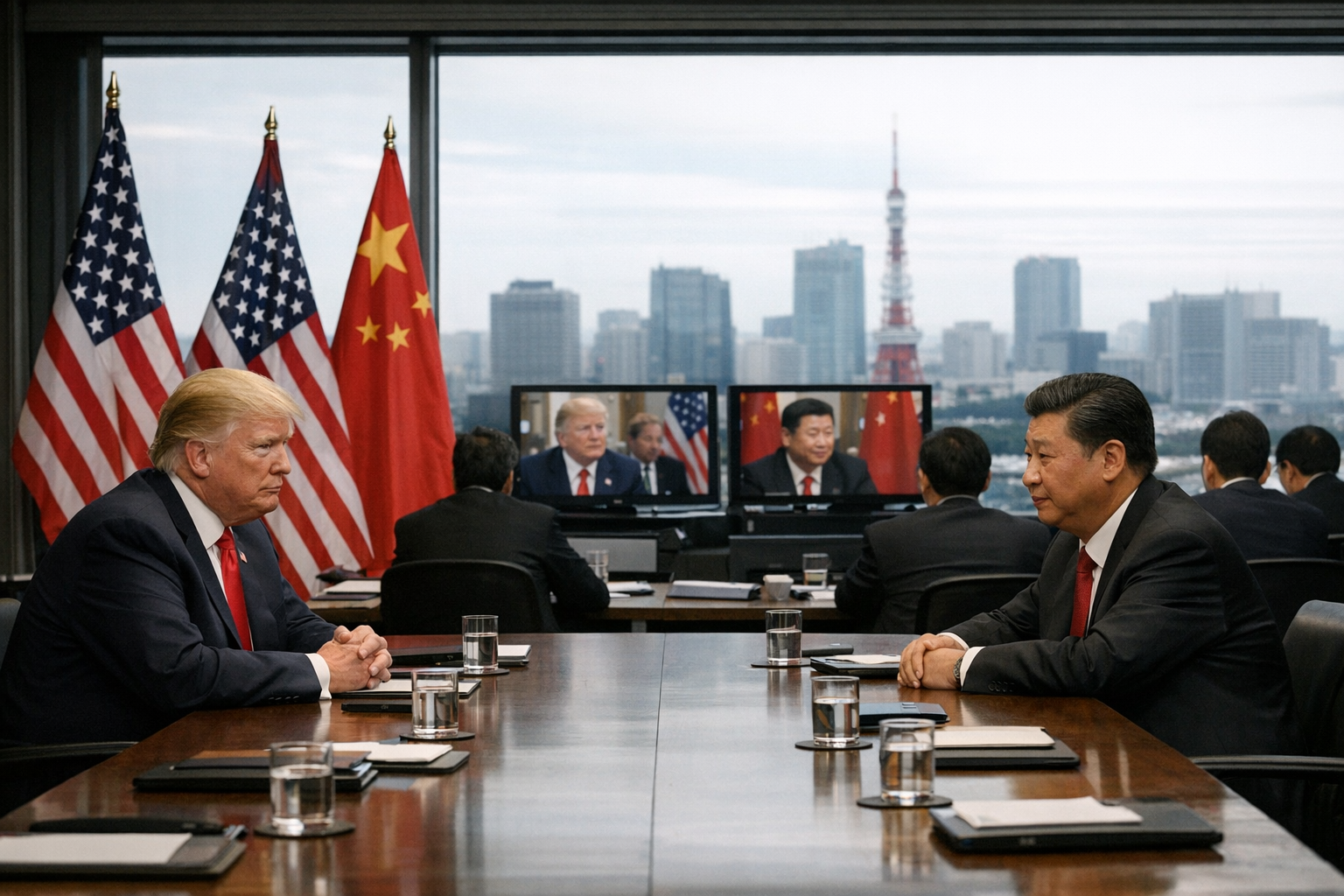
Strategic alignment matters for Japan as leaders prepare for the summit between Donald Trump and Xi Jinping. Tokyo is closely observing the meeting for signs that the United States and other partners will maintain a common approach to the range of economic, technological and security pressures associated with China. The summit’s tone and any concrete measures announced are being read in Tokyo not only for their bilateral impact but for their wider implications across the Indo-Pacific.
The alignment Japan seeks encompasses several practical domains. Trade measures, export controls on advanced technologies, investment screening and supply-chain resilience are central economic concerns. On security, maritime behaviour, military modernisation and regional crisis management remain priorities for Tokyo. Consistent policy stances among allies can ease operational planning, intelligence-sharing and coordination in multilateral forums; divergences can complicate those same mechanisms.
A visible mismatch between Tokyo and Washington could have immediate policy consequences. Japan may face pressure to adjust its diplomatic posture, accelerate national defence planning or deepen cooperation with other regional partners to manage shared risks. Economic coordination, including standards for technology and investment rules, could become harder to negotiate if lead partners pursue differing strategies. For businesses and regional governments, predictability in alliance policy reduces uncertainty in markets and strategic planning.
For Tokyo, the summit will serve as a reference point for next steps in alliance management and regional diplomacy. Officials and analysts in Japan will assess announced commitments, follow-up mechanisms and any bilateral understandings that affect wider coalitions. The outcome is likely to shape Tokyo’s engagement with like-minded partners and inform its approach to balancing deterrence, economic competition and diplomatic channels in the months ahead.


