

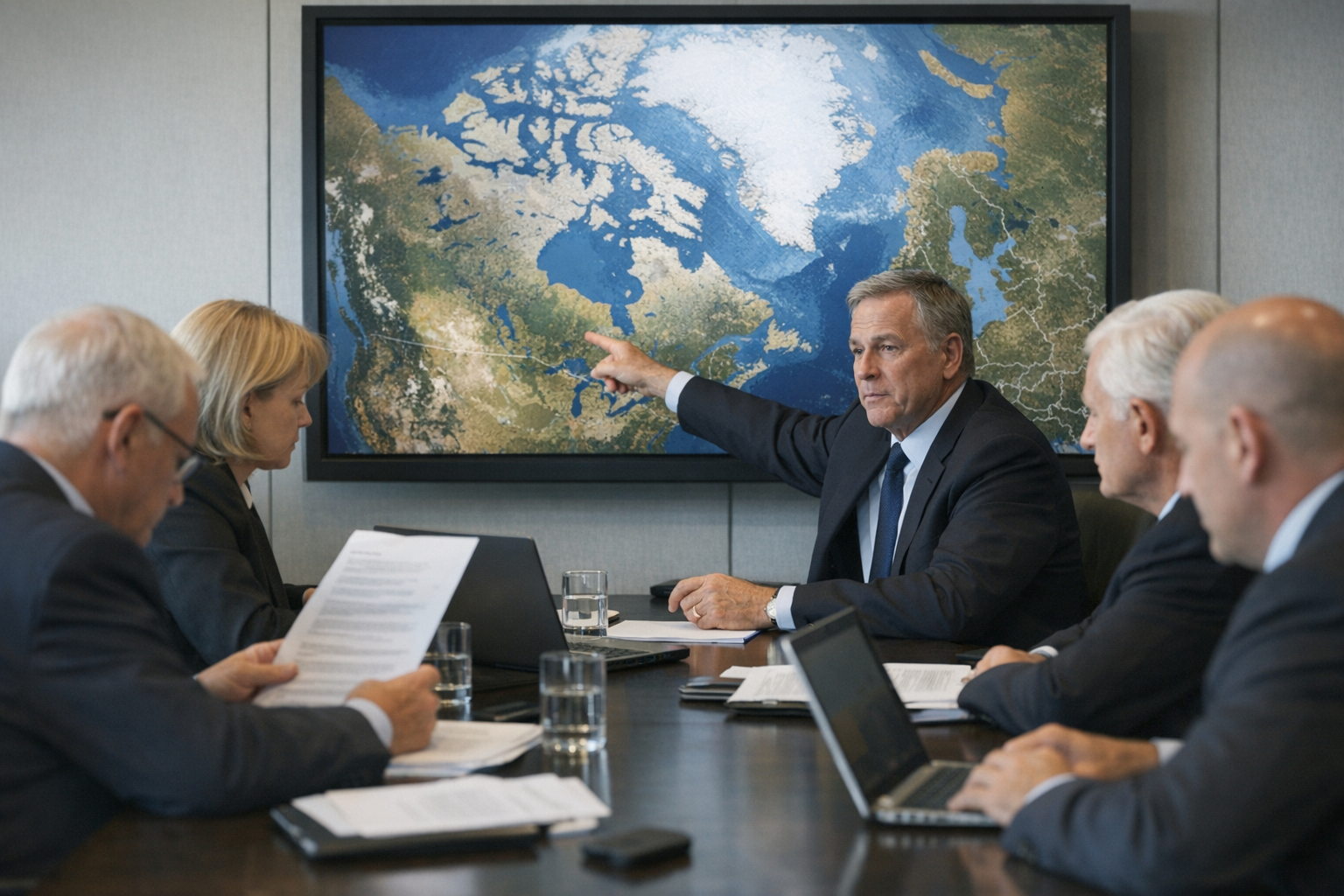
Russia’s aggression and public statements by Donald Trump have combined with a global scramble for critical minerals to lift the Arctic to the forefront of European policy concerns. For the European Union, the region is no longer a peripheral environmental issue but a strategic space where security, supply chains and diplomatic ties intersect. Developments in the North now shape debates in capitals from Brussels to Copenhagen and influence how policymakers evaluate long-term exposure to external actors.
Military postures and the broader consequences of Russia‘s invasion of Ukraine have sharpened attention to northern waters and infrastructure, while high-profile remarks about Greenland have underscored the United States’ renewed focus on the region. That recalibration has prompted closer coordination between European institutions and allies. NATO has increased its presence and planning in northern latitudes, reflecting concerns about access, surveillance and the security of sea lines of communication. NATO‘s role illustrates how defence considerations are now integral to Arctic policymaking.
The economic dimension is equally consequential. Demand for metals and minerals used in low-carbon technologies has intensified attention on the Arctic’s geological potential, fuelling competition for critical raw materials. European industry and governments are reassessing supply vulnerabilities and looking at diversification, sustainable extraction standards and international partnerships to reduce dependency. At the same time, scientific research, infrastructure investment and regulatory frameworks are being reconsidered to manage both opportunities and environmental constraints.
That multifaceted dynamic is driving calls for a coherent European approach that reconciles security needs, market resilience and environmental stewardship. Coordination with Arctic states, indigenous communities and international organisations will be central to any durable response, while institutional actors such as the European Commission are expected to play a convening role. The interaction of geopolitics and resource competition makes the Arctic a lasting policy priority for Europe, requiring careful calibration across defence, diplomacy and economic policy.


