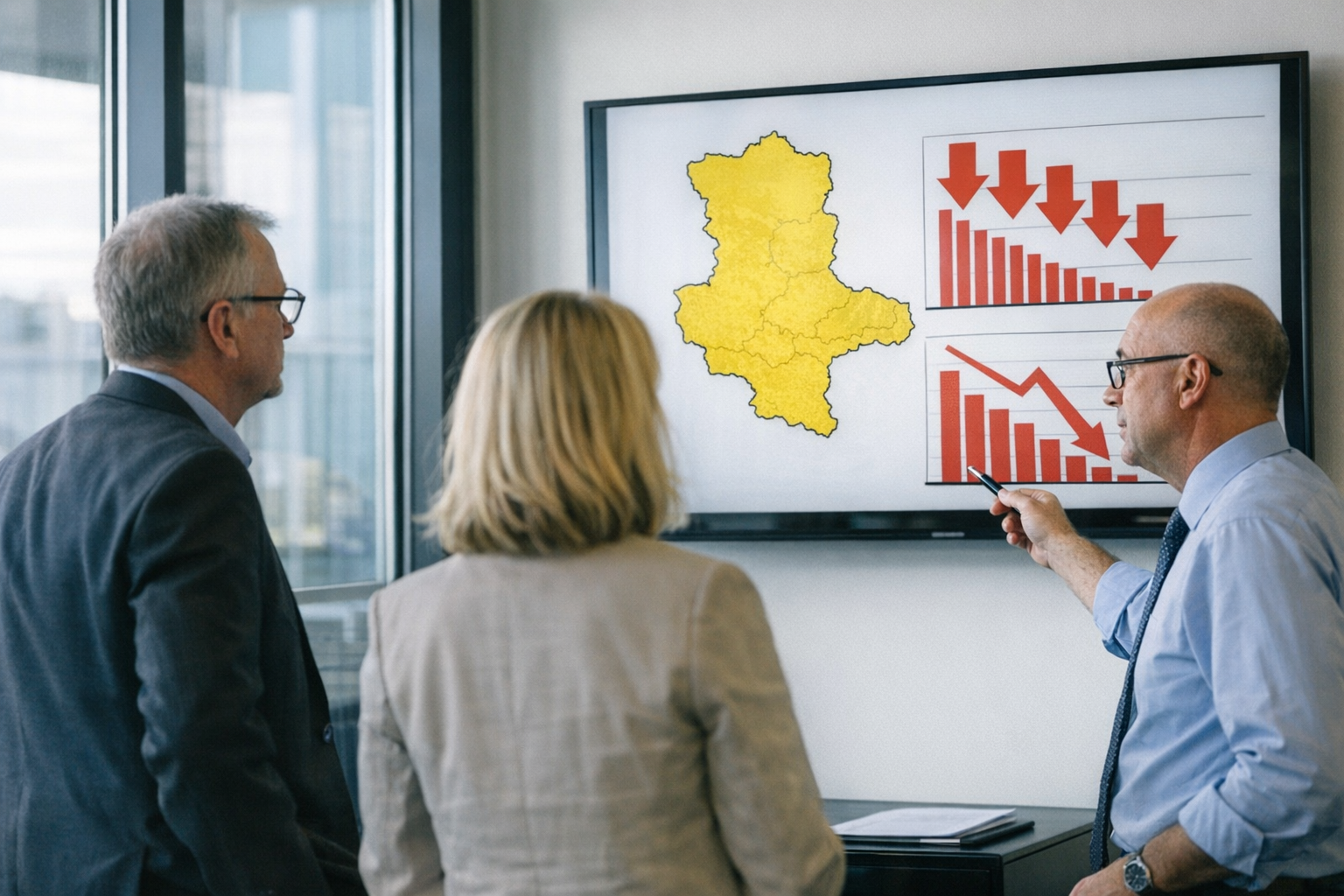
Far-right AfD secured a win by a wide margin in the regional election in Saxony-Anhalt, a result that has set off debates among politicians and analysts over the drivers of the party’s surge. While commentators are still parsing voter motivations and campaign dynamics, the outcome has prompted a separate chorus of concern from economic experts about what the shift could mean for the local and national economic environment.
Economists point to immediate risks tied to political uncertainty, noting that changes in the regional political landscape can influence business planning and public-sector decision-making. Observers say that potential shifts in policy priorities at the state level may affect investor confidence and the timing of private-sector projects. At the national level, coordination between Berlin and the states could become more complex, a development watched closely by stakeholders in Germany and beyond.
Analysts emphasize several channels through which a pronounced political change might reverberate economically: alterations to budget plans, delays in infrastructure or development initiatives, and the broader impact on sentiment among firms and consumers. Regional governments manage spending decisions that matter for local suppliers and public services; any uncertainty about future priorities may complicate fiscal planning. Markets and financial institutions typically monitor such shifts as indicators of medium-term risk, even where immediate policy changes remain unclear.
Looking ahead, economists say the coming weeks will be key as parties negotiate post-election arrangements and outline policy agendas at the state level. The economic implications will depend on concrete choices about spending, regulation and cooperation with federal institutions such as the German government. For now, the debate among political analysts continues alongside a measured but persistent caution from the economic community, which will assess how the regional result influences growth, investment and fiscal stability across the country. Economy watchers will follow developments closely as priorities and alliances take shape.