

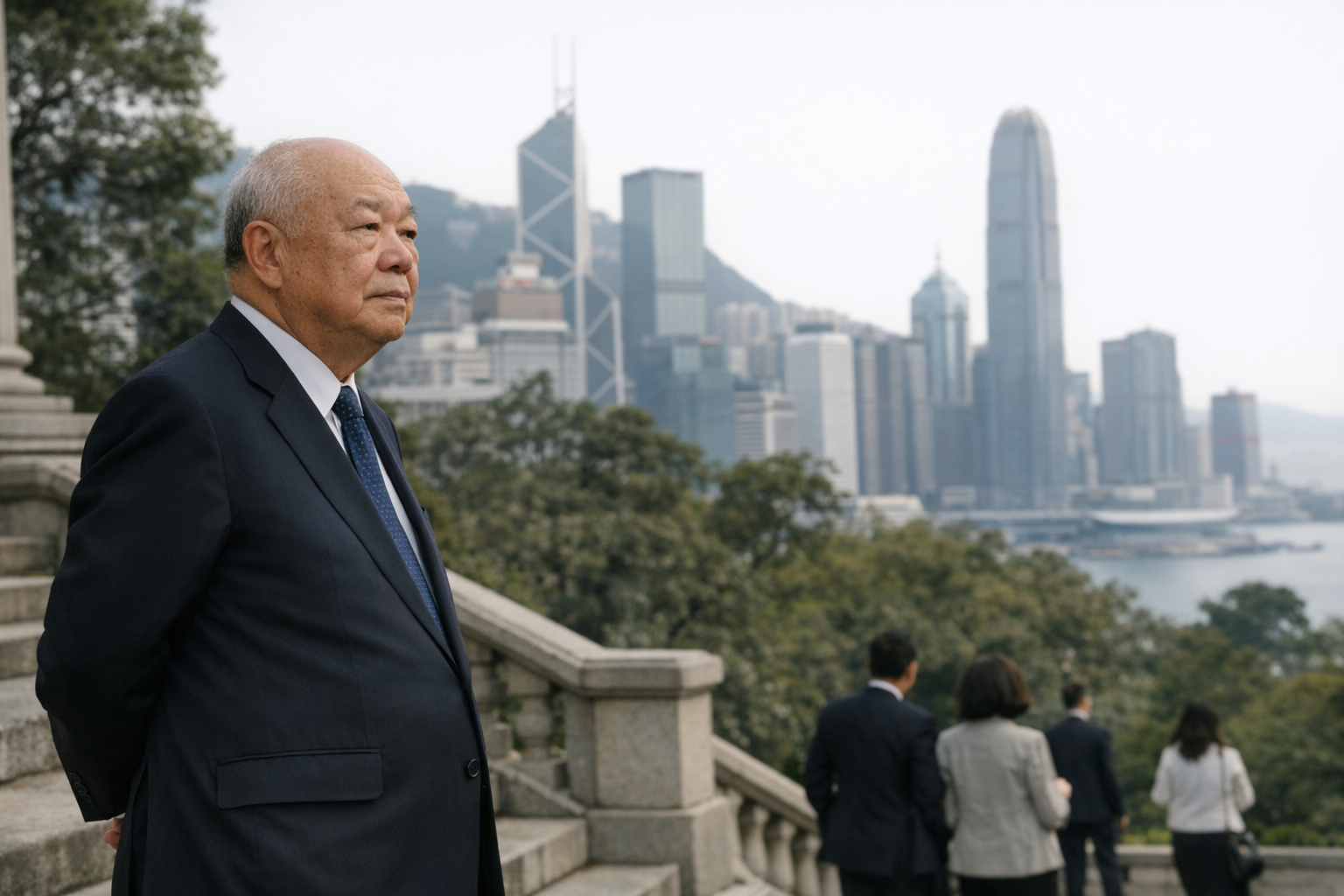
Tung Chee-hwa dies at the age of 89, marking the passing of the first leader of post‑colonial Hong Kong. Tung Chee-hwa served as the inaugural Chief Executive following the 1997 handover and was the central political figure guiding the city through its initial years under the new constitutional framework, holding office from 1997 until his resignation in 2005.
During his term, the office of the Chief Executive faced the practical and political challenges of translating the principles of the Basic Law into everyday governance while navigating relations between Hong Kong and Beijing. Observers remember his administration for efforts to stabilise the economy and for controversies that surfaced as the city adjusted to its new status. His time in office coincided with a formative period for institutions and public debate over the trajectory of the territory.
The death of Tung Chee-hwa is likely to prompt renewed attention from historians and commentators assessing the early post‑handover era and the longer‑term evolution of Hong Kong’s political landscape. Analysts studying the handover era and subsequent developments may revisit decisions made in those first years and their effects on institutional practice and public expectations.
No official schedule for memorials or funeral arrangements had been published at the time of this report. Responses from current officeholders, political bodies and civic groups are expected in coming days as the city and its institutions reflect on a public life that intersected business, governance and the complex transition of sovereignty. For authoritative information on the office and protocols surrounding departures of former leaders, see the Hong Kong government website.


