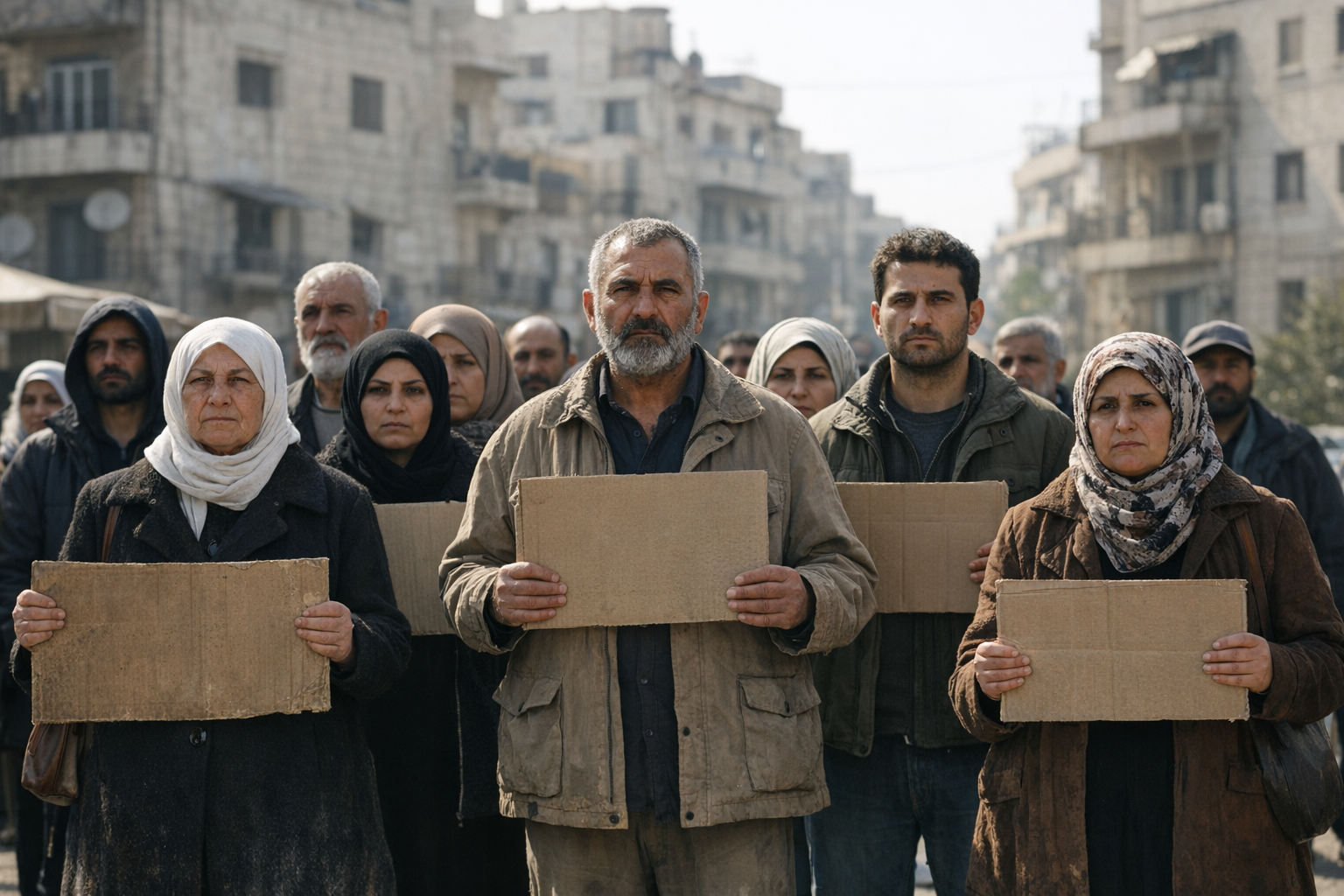
In July, a Syrian court sentenced former dictator Bashar Assad to death for crimes against his own people, a ruling that has reignited long‑standing debates about accountability after 14 years of conflict. For many survivors, the sentence represents a high‑profile legal outcome but does not by itself address the full scale of harms endured during the war.
Those who lived through the fighting say their demands extend beyond retribution to encompass comprehensive measures often grouped under transitional justice. Calls include systematic truth‑seeking about enforced disappearances and mass killings, reparations for victims and families, institutional vetting to remove perpetrators from public office, and memorialisation of the dead. Communities displaced by the conflict stress that recognition of suffering and material remedies are essential for any durable recovery.
Achieving those goals faces several practical and political barriers. The Syrian theatre remains fragmented, with authorities and armed groups controlling different territories and millions of people living abroad or in internal displacement. Witness protection, evidence preservation and the logistics of conducting large‑scale inquiries are complicated by those realities. Advocates sometimes point to international mechanisms as potential avenues for justice; institutions such as the International Criminal Court and the United Nations offer legal and investigatory models, but their capacity to deliver comprehensive remedies depends on political will and cooperation from national actors.
The death sentence is likely to shape domestic and international conversations about accountability, but survivors and civil society actors say it must be part of a broader agenda that addresses truth, reparations and reform. Without parallel efforts to document violations, support victims and transform institutions, many warn that a single verdict—even a consequential one—will fall short of preventing cycles of abuse or enabling long‑term reconciliation in Syria.