

Meta’s $18bn settlement has reignited debate over how major technology companies manage risks to young users on their services. The agreement — announced amid a wave of legal and public scrutiny — could prompt regulators, advertisers and families to press platforms for clearer safeguards. Observers say the sum and the attention surrounding the case underscore growing expectations that online firms must do more to prevent harm linked to prolonged or harmful use by minors.
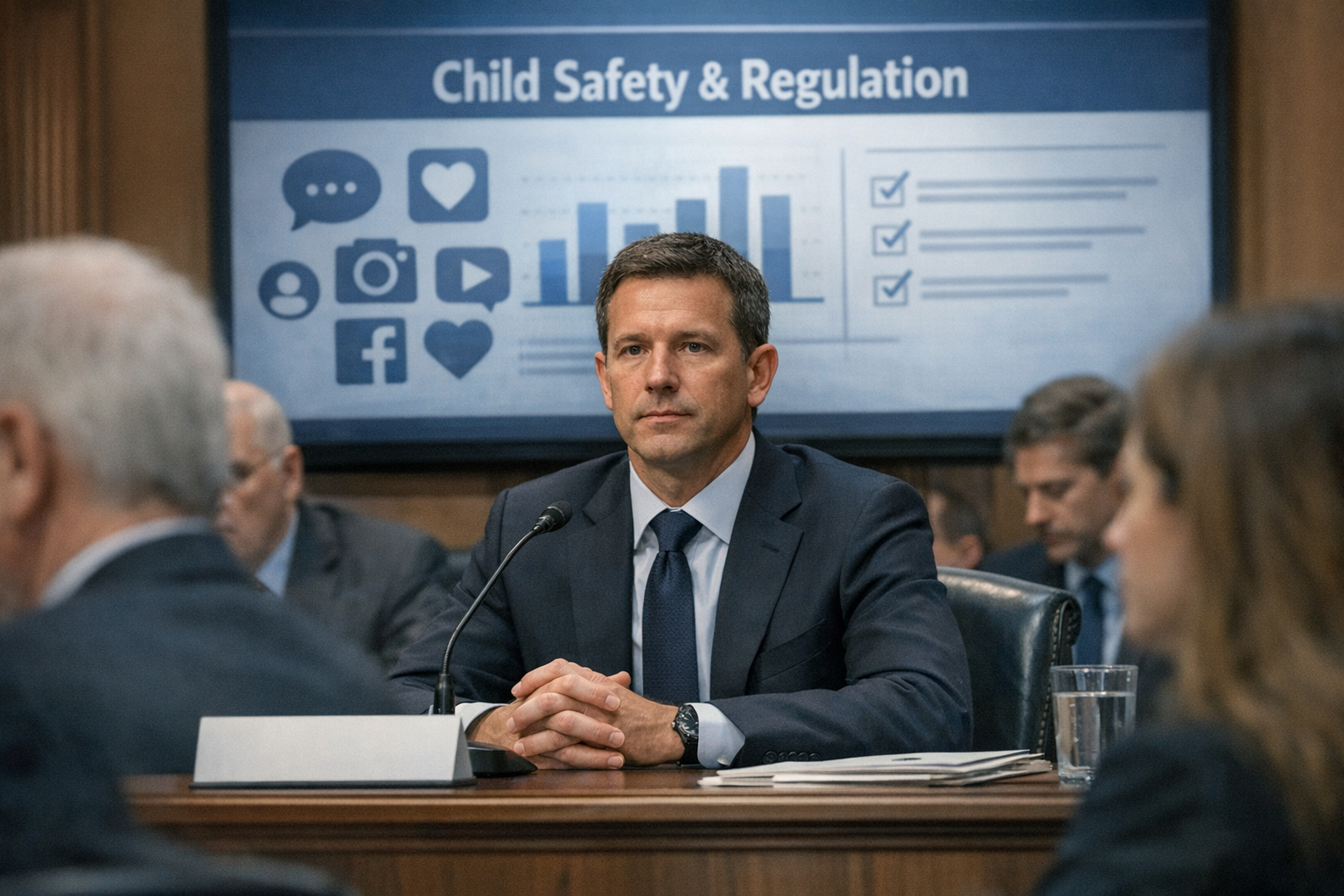
The deal arrives against a backdrop of lawsuits, congressional hearings and research focusing on youth well-being on social media. Advocates for stronger protections argue that changes are needed across design choices, moderation practices and transparency about algorithms. At the same time, technology companies contend that they already invest in safety teams and tools to limit exposure to harmful material and to verify age, while noting the technical and legal challenges of implementing broad changes across global services.
Practical consequences of the settlement may include increased legal oversight, new industry standards and renewed pressure from advertisers and partners who do not want to be associated with perceived risks. Policymakers in several jurisdictions have already signalled interest in tighter rules for how platforms handle young users, and a high-profile settlement could accelerate legislative initiatives. For companies, the case highlights the reputational and financial stakes tied to safety failures and the potential need to rework product features that affect user engagement.
In commentary for the BBC, Zoe Kleinman noted that the settlement could mark a shift in public expectations about online behaviour and platform accountability. Whether the agreement leads to concrete industry-wide reforms will depend on court approvals, regulatory responses and how platforms choose to translate scrutiny into operational change. Parents, educators and policymakers will be watching how the terms translate into safer experiences for children online and what precedents the case sets for future oversight of digital services.

