

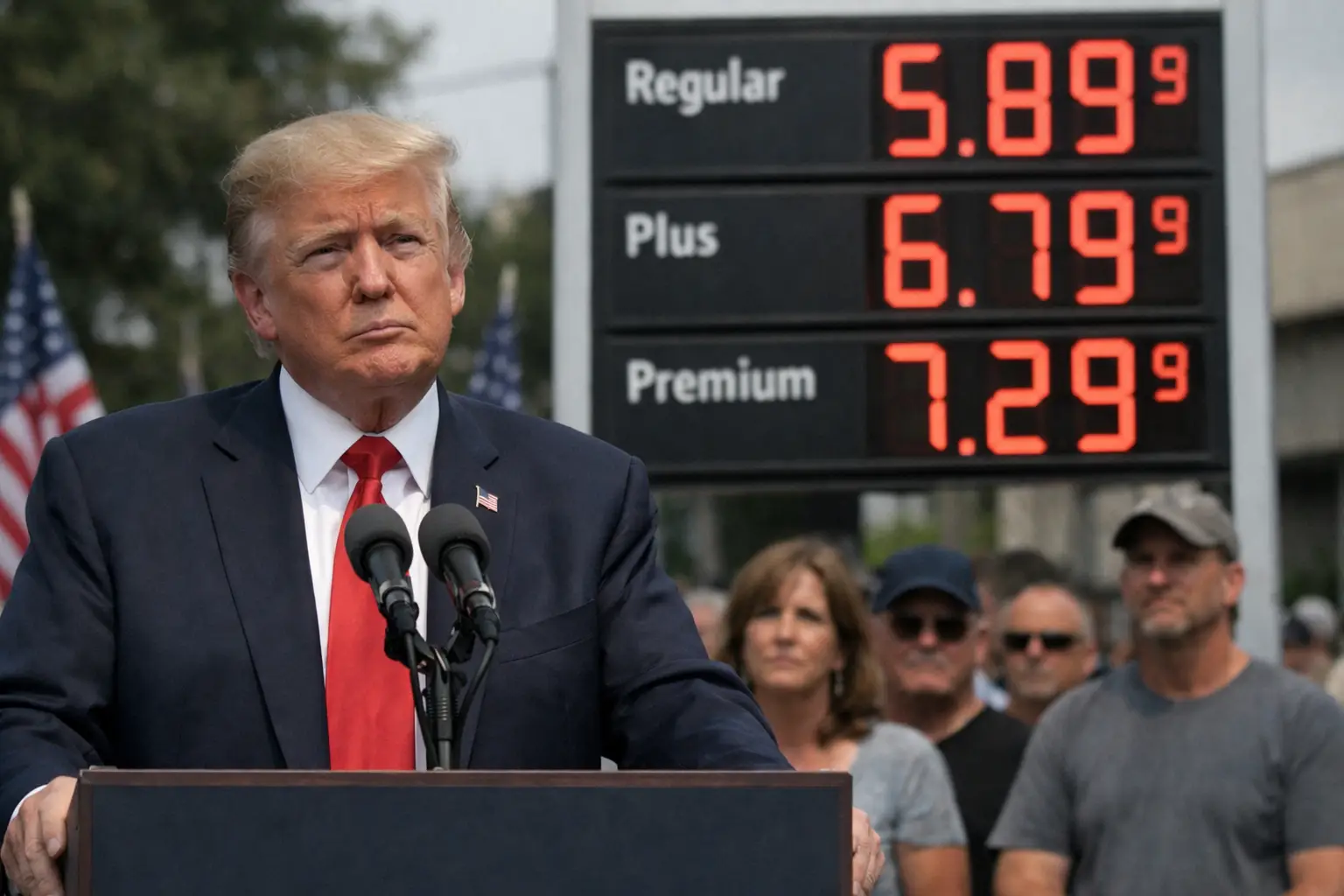
As the midterms approach, Donald Trump has placed lowering fuel costs at the center of his messaging, framing cheaper gasoline as a direct response to the broader squeeze on household budgets. The issue of higher energy prices has joined housing, wages and groceries on the list of economic pressures influencing millions of voters ahead of the upcoming midterm elections. Campaign statements and public appearances by the former president have highlighted pump prices as an immediate, visible burden for commuters and families.
Recent months have seen a significant jump in retail fuel rates that consumers feel at the pump and in transport-related expenses. Rising fuel costs contribute to concerns over the cost of living and are often cited by households as a factor altering spending decisions. Movements in global oil markets, refining capacity, and regional supply conditions are among the elements that influence retail gasoline prices, and those fluctuations have become a focal point for political debate.
Policymakers on both sides of the aisle are discussing measures that could offer relief in the near term. Options commonly referenced include releasing stockpiles from the Strategic Petroleum Reserve, adjusting regulatory barriers, and considering targeted fiscal steps to ease costs for consumers. Each route carries limits: some can produce a temporary drop in prices, while others affect fiscal balances or require coordination with industry and international partners. The effectiveness of short-term interventions in materially lowering prices for long enough to influence consumer sentiment remains uncertain.
For voters, the question is practical: will changes at the federal level translate into noticeably cheaper fuel at the stations they rely on? Political strategists note that visible reductions in everyday costs can alter campaign dynamics, but structural drivers of energy prices go beyond immediate political action. As election day nears, gasoline bills and household budgets will continue to be a yardstick for many voters judging economic stewardship, making fuel policy both an economic and electoral variable in the coming weeks.


