
Jennie Young is a professor of rhetoric and women-and-gender studies at the University of Wisconsin-Green Bay.
Loading audio narration…
I created the Burned Haystack Dating Method to help women survive dating apps — then I stopped dating altogether.
As the method went viral, moderating fast-growing online communities on top of my job as a rhetoric professor left me with no time for a personal life.
In just over two years, more than 265,000 women and nonbinary people joined my private Facebook group. My method encourages daters to filter out time-wasters and red flags as early as possible.
As the community grew, I assumed it would be difficult to find a man willing to date me. I was spending much of my time publicly critiquing their whole gender. I wouldn’t have dated me if I were a man.
I’d decided that if the cost of helping other women find happiness was that I would remain alone, it was a fair trade. I was happy enough on my own.
Back in the dating pool
I kept getting questions about why I wasn’t using the method myself. And maybe part of me still clung to the idea of love. So I made a deal with myself and my followers: I’d try again once I submitted my book manuscript, “Burn the Haystack.”
On June 1, 2025, I downloaded Bumble and ruthlessly applied my own method. I remained dubious that it would work for me, given my growing social media presence and decreasing tolerance for men. Still, I believe in applied rhetoric the way other people believe in religion, so I put my faith in it.
I dated no one from Bumble. Every match showed at least one red flag. By the end of the month, I rage-quit and downloaded Hinge. I blocked and burned hundreds.
Midway through, I got bored, paused the app, and went on a trip with my girlfriends to northern Michigan. By the time I returned, I had only a few days left on my subscription.
Finding a match
On July 27, I connected with Pat, a teacher. His Hinge profile stood out: friendly tone, thoughtful answers, zero red-flag patterns. He seemed like a normal, reasonable person. His photos were clear and appropriate — canoeing, with his dogs, and one from his daughter’s doctoral graduation.
Our messaging pace was perfect, it was consistent but not constant. He never got upset if I was slow to respond. He was kind, funny, and present without pressure, a difficult balance with someone you don’t know.
I trusted him quickly, though I verified everything — as women on dating apps often do. He checked out.
He made no comments about my appearance and didn’t flirt, both of which align with my filters. I told him about Burned Haystack early on. If he was going to be put off, I wanted to know before I got invested. He wasn’t. He engaged with the idea and even listened to podcasts about it.
It was clear his understanding of feminism was thoughtful and active, and not just words.
We met for coffee about a week later. The date felt easy and natural. Conversation flowed. It didn’t feel like “spark” or “chemistry.” It felt healthy, happy, and fun.
Driving home, sunflowers on my passenger seat, I texted my friends: “Date was good! He’s super nice — like WAY too nice for me — but I like him anyway!”
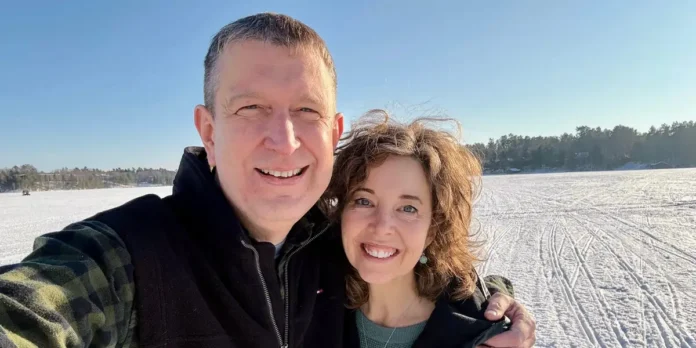
Provided by Jennie Young
And then I liked him more and more
He planned thoughtful dates — a folk band at a winery, brunch followed by a walk through his town, where we ran into his students.
Over time, everything we did together was fun, even moving apartments, which is usually not.
About three months in, we had the “define the relationship” talk, initiated by Pat. It felt like a formality. Of course I wanted to be with him.
Eight months later, we’ve traveled together, met each other’s families, and blended our animal households. We have two bird dogs and a shelter cat who, shockingly, all get along.
Here’s what I’d tell anyone fed up with dating apps: That feeling is rational. The apps are horrible, and they make anyone feel bad. But if you trust the method and stay grounded, you might be surprised.
Source:
www.businessinsider.com


