

It might sound strange to talk about inoculating ourselves against stress, but we might be able to do just that.
Just as a vaccine safely trains the immune system so it can defend against later attack, researchers think we can do something similar with stress.
This idea is often studied in military personnel. Exposing soldiers to simulations of stressful events, while giving them the tools and support to cope, can minimise the impact of future stress. In one study, cadets who received resilience training had lower cortisol levels in later intense military exercises than those who hadn’t received the training. Likewise, paramedics who have received resilience training are also at lower risk of developing post-traumatic stress disorder (PTSD) and depression.
Fortunately, most people don’t need military-style training to gain these benefits. Deliberately exposing yourself to manageable, everyday stress can build resilience, says Julie Vašků at Masaryk University in the Czech Republic.
Recent research shows that successfully navigating stressful situations remodels the brain, provoking changes across the “stress network”, including the prefrontal cortex, which regulates emotions; the hippocampus, involved in memory; and the amygdala, which detects threats. When people voluntarily face mild stressors, these circuits adapt in ways that make future challenges easier to handle and help your body return to baseline more quickly.
The key is that the stress must remain manageable. A mild stressor is a situation in which you feel some sort of bearable discomfort, says Vašků. “It cannot be overwhelming. Once it’s overwhelming, it’s traumatising.” She suggests going somewhere unfamiliar or speaking with people you wouldn’t normally approach. Additional support can help. “Bring someone else with you,” she says.
This kind of exposure therapy works well in adults, but should we apply it in childhood, too? Severe childhood adversity clearly increases the risk of later mental and physical health problems, yet small amounts of mild adversity may bring benefits. In rodents, continuous maternal separation from birth increases adult stress responses, whereas the same amount of maternal separation but given in small bursts produces more resilient adults. Similar patterns have been observed in primates exposed to short periods of maternal separation.
It is difficult to translate such findings to humans, and unethical to run comparable experiments. Still, Carmine Pariante at King’s College London suggests “we could be slightly less protective as a society”. By this, of course, he doesn’t mean deliberately exposing anyone to trauma, but occasionally allowing ourselves – and our children – to experience more manageable challenges.
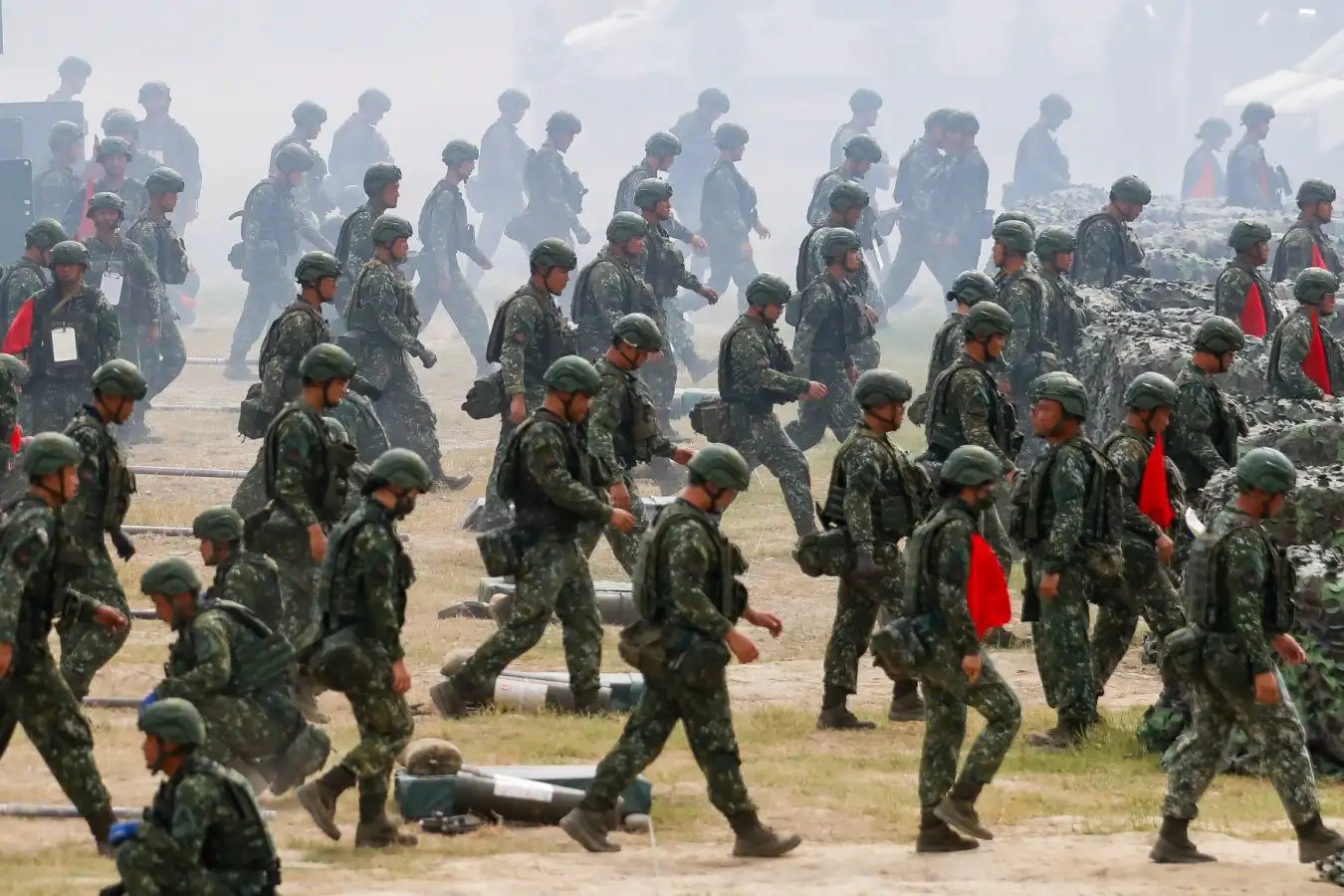
Exposing soldiers to simulations of stressful events can help them build resilience for when they face such situations for real
Daniel Ceng/Anadolu via Getty Images
Vašků points to a cultural example from the Czech Republic, where children often perform classical music from a young age. “We put 5-year-olds on stage with their teacher. A few years later, they perform with their friends. When they’re older, they’re on their own, but they have a teacher nearby.” By adolescence, they are able to perform totally alone, she says. They may still experience the same stress as a novice, but they are better equipped to cope and recover more quickly from the stress because of the early, controlled exposure.
Exposure isn’t the only way to build resilience. Techniques such as breathing exercises, mindfulness, learning to change your mindset about stressful situations and reviewing your strengths have all been shown to improve resilience and turn bad stress into good.
Some researchers are even exploring a literal stress vaccine. A number of studies in rodents show that vaccination with a bacterium called Mycobacterium vaccae that has been killed off by heat calms their stress response by inducing an anti-inflammatory effect. Even more experimental is research into drugs known as “alexigents”, which aim to enhance stress resilience in people at high risk of developing PTSD and depression. But so far, the only significant development is a 2017 study that showed a single dose of ketamine could protect mice from the negative effects of stress.
For most of us, the answer is simpler: stress isn’t the enemy (see “Why the right kind of stress is crucial for your health and happiness”). “You actually want to experience stress,” says Vašků. “You want to be able to react to it – it’s there for a reason – but you also want to be able to recover quickly. And building resilience is key to bringing your stress hormones back down to normal.”
Topics:
Source:
www.newscientist.com


