

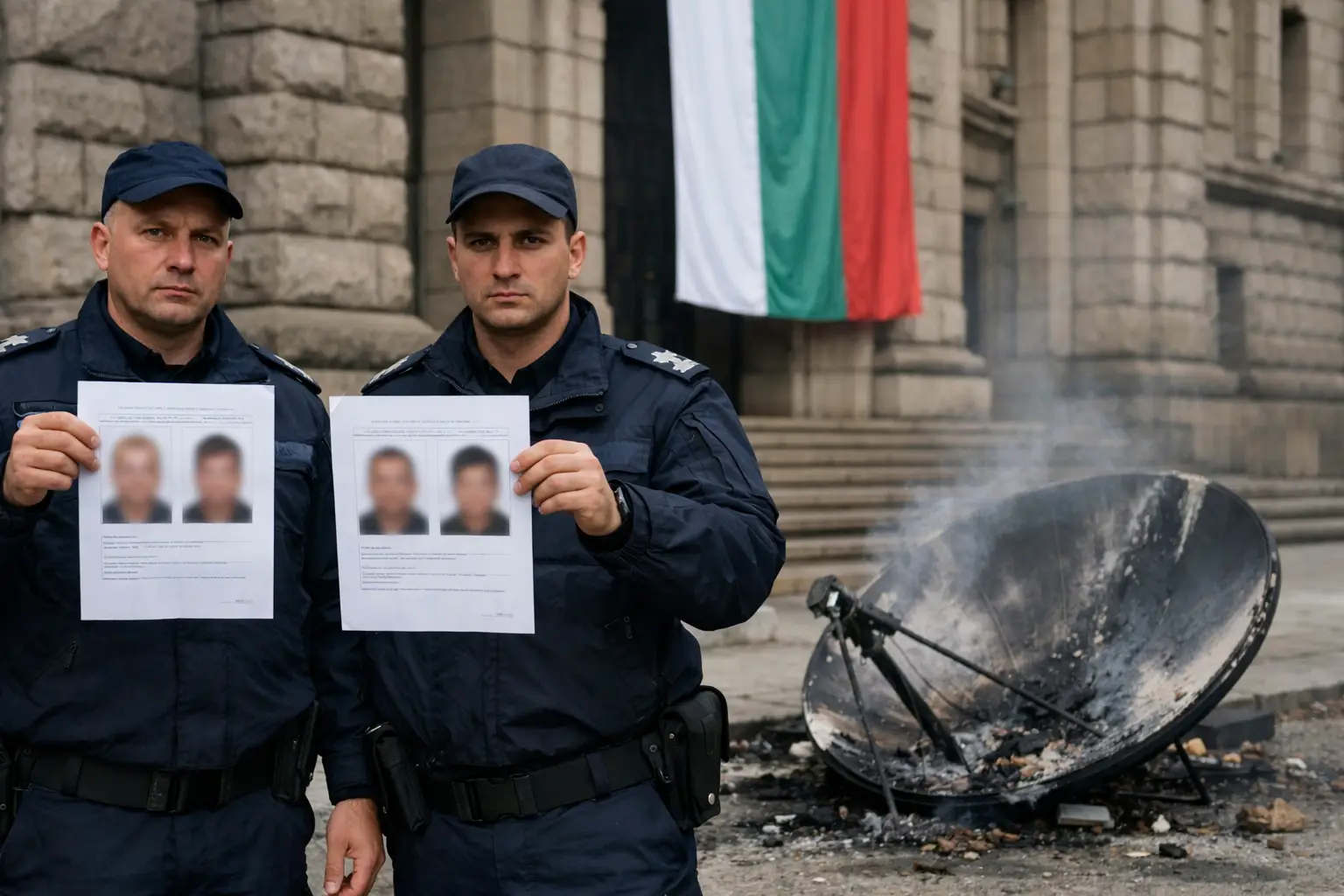
Bulgarian court issues arrest warrants for two young German nationals accused of deliberately setting fire to satellite internet antennas in Bulgaria. The warrants mark a formal escalation in an investigation that connects the suspects to several incidents targeting ground terminals used to receive satellite broadband signals. Authorities in Sofia have moved to secure measures intended to bring the individuals before the Bulgarian judiciary.
The developments echo an earlier series of attacks on Starlink infrastructure in Poland, where officials in Warsaw said the pattern of sabotage was orchestrated by Russia. That case prompted diplomatic concern in the region and heightened attention to the vulnerability of ground equipment that supports space-based communications networks. Polish authorities publicly attributed the actions to foreign direction; investigators in Bulgaria have signalled parallels without assigning identical causes.
The incidents have focused attention on the strategic and civilian importance of satellite internet services. Providers such as Starlink supply connectivity that can be used for consumer broadband, emergency communications and, in some contexts, critical operations. Damage to physical ground terminals can interrupt service, complicate maintenance and raise questions about the security of infrastructure distributed across multiple countries. Security analysts say that attacks on hardware differ from cyber operations in their tactics and potential legal responses.
With arrest warrants issued, the case now involves cross-border legal considerations that typically require cooperation between national authorities. German law enforcement will be the next procedural step for locating and detaining the named suspects if they are on German territory. The outcome will depend on the exchange of evidence, formal requests for action and established extradition or surrender mechanisms within the European legal framework. The investigation in Bulgaria, and its links to incidents elsewhere in Europe, is likely to keep attention on how states protect satellite communications infrastructure and coordinate on transnational criminal inquiries.


