

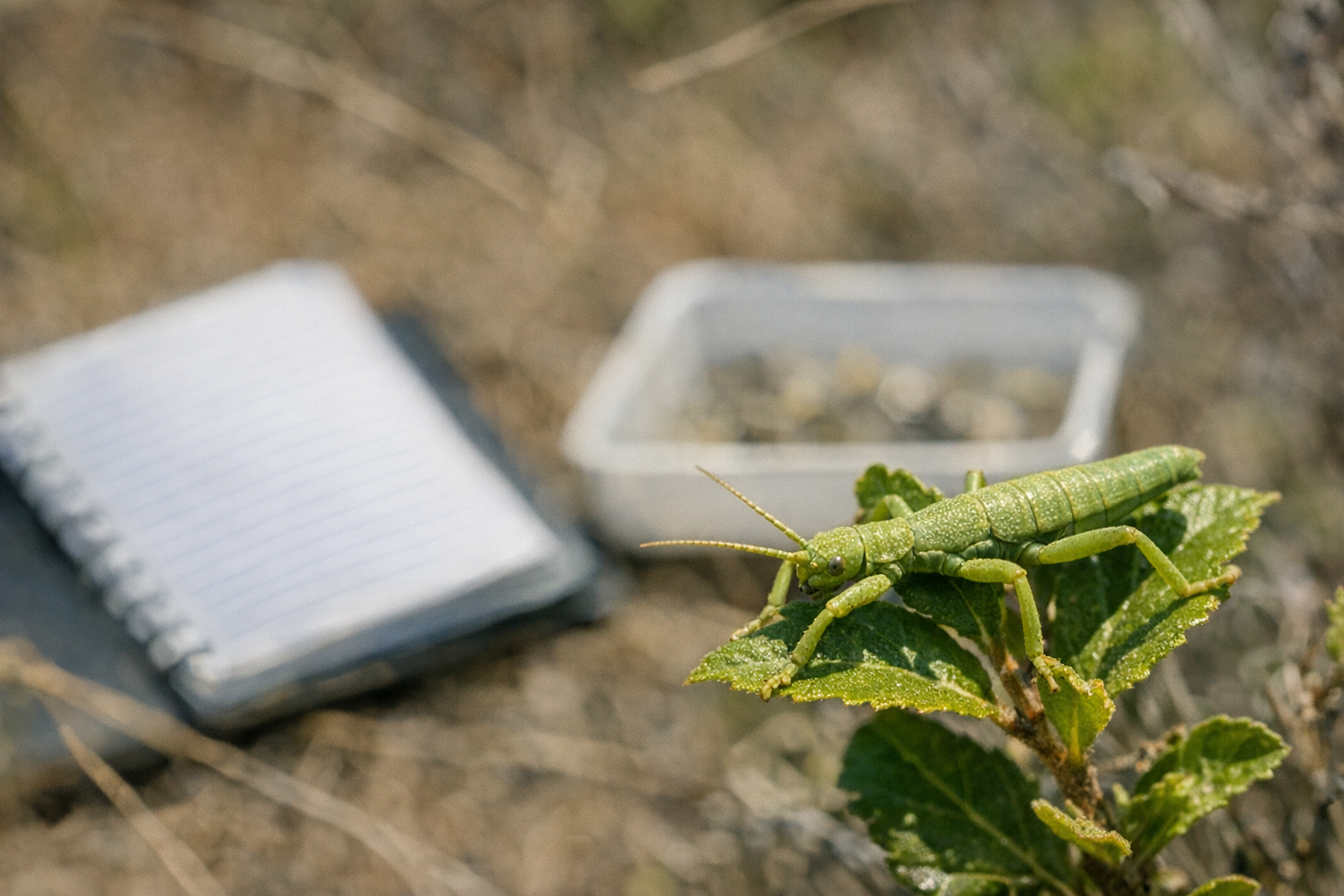
Scientists at Bangor University report that a lineage of stick insects has retained components of the genetic system associated with sexual reproduction despite reproducing asexually for around 1 million years. The study, led by Dr. Darren Parker, lecturer in evolutionary biology at Bangor University, examined the genomes of several species of Timema, a genus of stick insects known to include ancient asexual lineages. These Timema populations represent the longest-documented period of asexuality for any insect.
The research team conducted comparative genetic analyses across sexual and asexual Timema species to assess whether molecular elements tied to mating and meiosis had degraded in the long-standing asexual lineages. Contrary to expectation, the investigators found evidence that many genetic components associated with sexual reproduction remain present in the genomes of asexual individuals. The persistence of these elements indicates that unused biological systems do not invariably erode rapidly under long-term asexuality.
Authors on the project presented the findings as relevant to broader questions in evolutionary biology about how traits are maintained or lost when they are no longer under direct selective pressure. The retention of sexual-system genes in Timema suggests that genetic architecture can be conserved over extensive timescales, a result that informs models of genome evolution and the dynamics of asexual lineages. The team highlighted the value of Timema as a natural system for studying these processes because of the clear separation between long-term asexual and sexual populations.
Researchers noted that further work will be required to determine the functional status of the retained genes and to identify the mechanisms that have preserved them. Follow-up studies may test whether retained elements have alternative roles, are maintained by purifying selection, or persist through other genomic constraints. The new findings provide a molecular perspective on how complex biological systems can persist without obvious phenotypic use and offer a platform for future investigations into the evolutionary consequences of prolonged asexual reproduction.


