

Europe’s environmental footprint beyond its borders remains high as it continues to rely on goods from key sectors including forestry, grains and energy according to an assessment by the European Environment Agency (EEA) published today. The study highlights the environmental impacts linked to these imports and highlights the need to accelerate bio-based innovations as part of a bioeconomy to develop home supply strategies that can boost Europe’s sustainability journey.
According to the EEA Briefing ‘Innovation Opportunities in the Bioeconomy,’ the 32 EEA member countries generate only about half of the biocapacity needed to maintain current consumption. A more circular use of domestic biomass and other resources can help reduce dependence on imports, which would help reduce related environmental impacts occurring within and beyond European borders.
The EEA briefing shows how examples of bio-based innovations can support the expected update of the EU bioeconomy strategy. It also links work on the bioeconomy to wider EU climate and biodiversity objectives in line with the EU Green Agreement, helping to inform national and regional strategies.
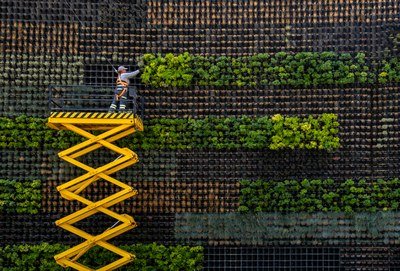
Bio-based innovations
Improving the use of biological resources can help replace fossil fuel-based materials with more sustainable alternatives. This can contribute to a circular bioeconomy and also address climate change. The EEA briefing features several bio-based innovations based on many wastes or by-products, and which offer greater sustainable and circular solutions across all industries. They include agricultural biomass, where the most used source comes from wastes like chaff, stover and stubble and processed food waste. This biomass plays a key role in providing an alternative and sustainable material.
Environmental pressures
The EEA briefing also examines the key sectors that contribute the most to environmental pressures and are responsible for the largest environmental footprints.
Nearly 30% of environmental and climate pressures across the 32 EEA countries (including all EU member states) are drawn from just five key sectors, including construction, accommodation and food services, food, transport and trade.
Construction stands out as a major contributor, with a particularly high impact on carbon and forest footprints. This reflects the large resource demands and emissions embedded in construction supply chains, according to the EEA briefing, particularly when assessed through a footprint-based lens that includes upstream impacts beyond EU borders.
Other key results
Sustainability guarantees are essential. Responsible sourcing, biodiversity protection, deforestation prevention and circularity are essential to ensure that bio-based systems reduce environmental damage. Trade-offs must be carefully evaluated and managed. Bio-based solutions may involve land use, biodiversity or social equity trade-offs that require consideration and governance. Strong decisions need strong evidence. Impact analyzes and stakeholder contributions are essential to align bio-based innovation with economic, environmental and social objectives.
Our latest press releases
Originally published in The European Times.
source link eu news


