

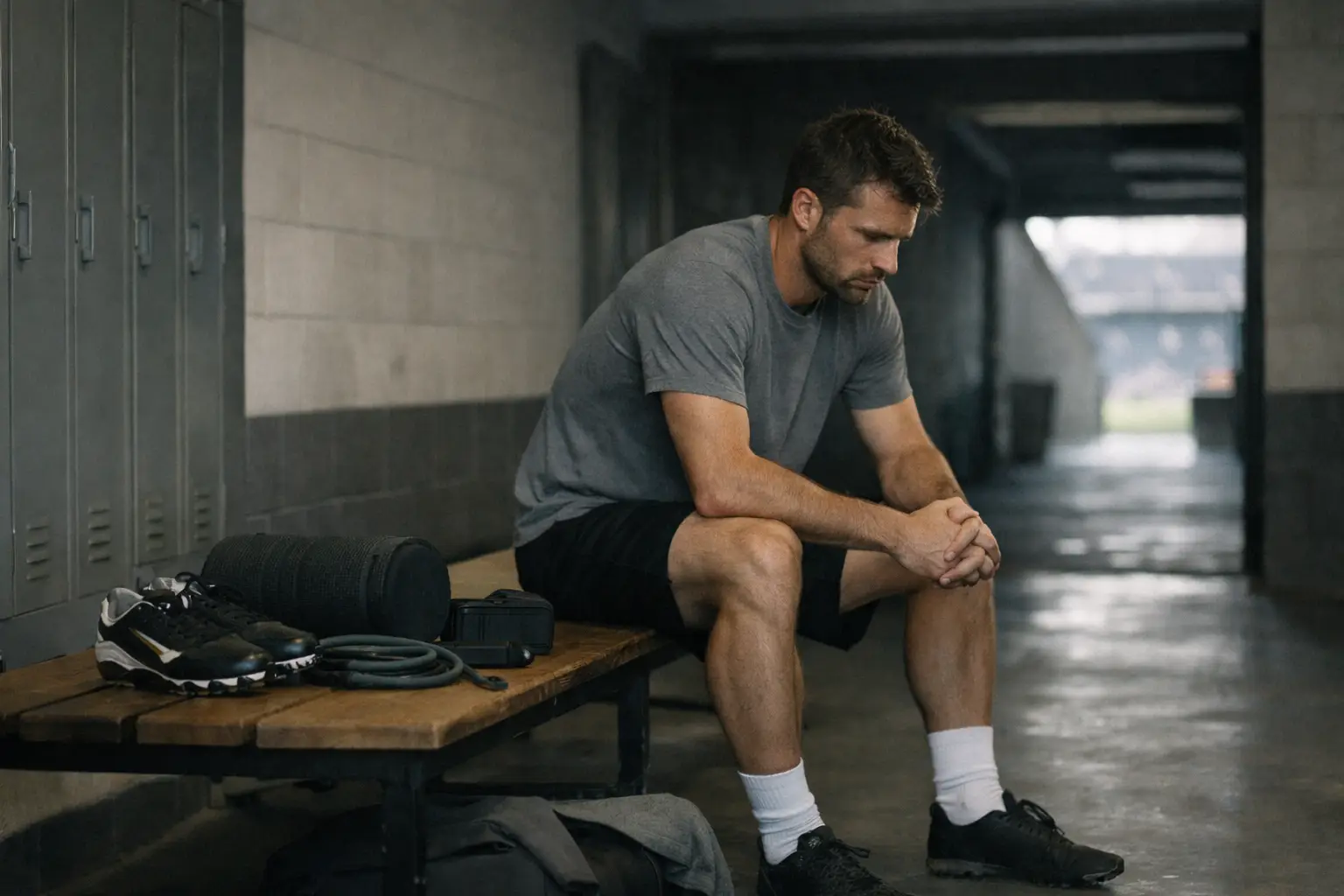
A season lost to serious injury is not only a medical setback for a professional footballer. It can remove a player from the rhythm that defines elite sport: match preparation, dressing-room routine, travel, competition and selection. When that absence also means missing a major tournament such as the World Cup, the blow reaches beyond fitness. Accounts from injured players point to loneliness, mood swings and moments of emotional shutdown after being told that a place on football’s biggest stage is gone.
The physical side of recovery is visible: surgery, rehabilitation sessions, gym work and gradual returns to training. The psychological side is harder to measure. A player who is unavailable for months can find daily life narrowed to treatment schedules while team-mates continue competing. That separation matters in football, where identity is often built around performance, selection and being part of a collective. Long-term injury can leave players present at a club facility but absent from the part of the game that gives their work public meaning.
Missing a tournament adds another layer. The FIFA World Cup is a rare career milestone, and injury can close that opportunity without a player having any control over the outcome. The emotional response described by footballers in this situation is not simply disappointment; it can include withdrawal from family or team-mates and difficulty regulating mood. In a sport that often rewards resilience and rapid recovery narratives, those reactions underline how severe injury can affect mental health as well as physical capacity.
The wider conversation around mental health in sport has made these experiences harder to ignore. The World Health Organization defines mental health as more than the absence of illness, linking it to the ability to cope with stress and function within a community. For injured athletes, maintaining that connection can be as important as rebuilding strength. Clubs now face a dual responsibility: returning players safely to the pitch and ensuring that rehabilitation does not become a period of professional isolation.
Season-ending injuries will remain part of elite football, especially in a congested calendar that demands repeated high-intensity performances. What is changing is the recognition that recovery cannot be treated as a purely physical countdown. For a player ruled out of a season, the challenge is to rebuild a body while staying connected to a team, a career and a sense of purpose. That work is quieter than a comeback appearance, but it can determine how a footballer returns when the medical clearance finally arrives.


