

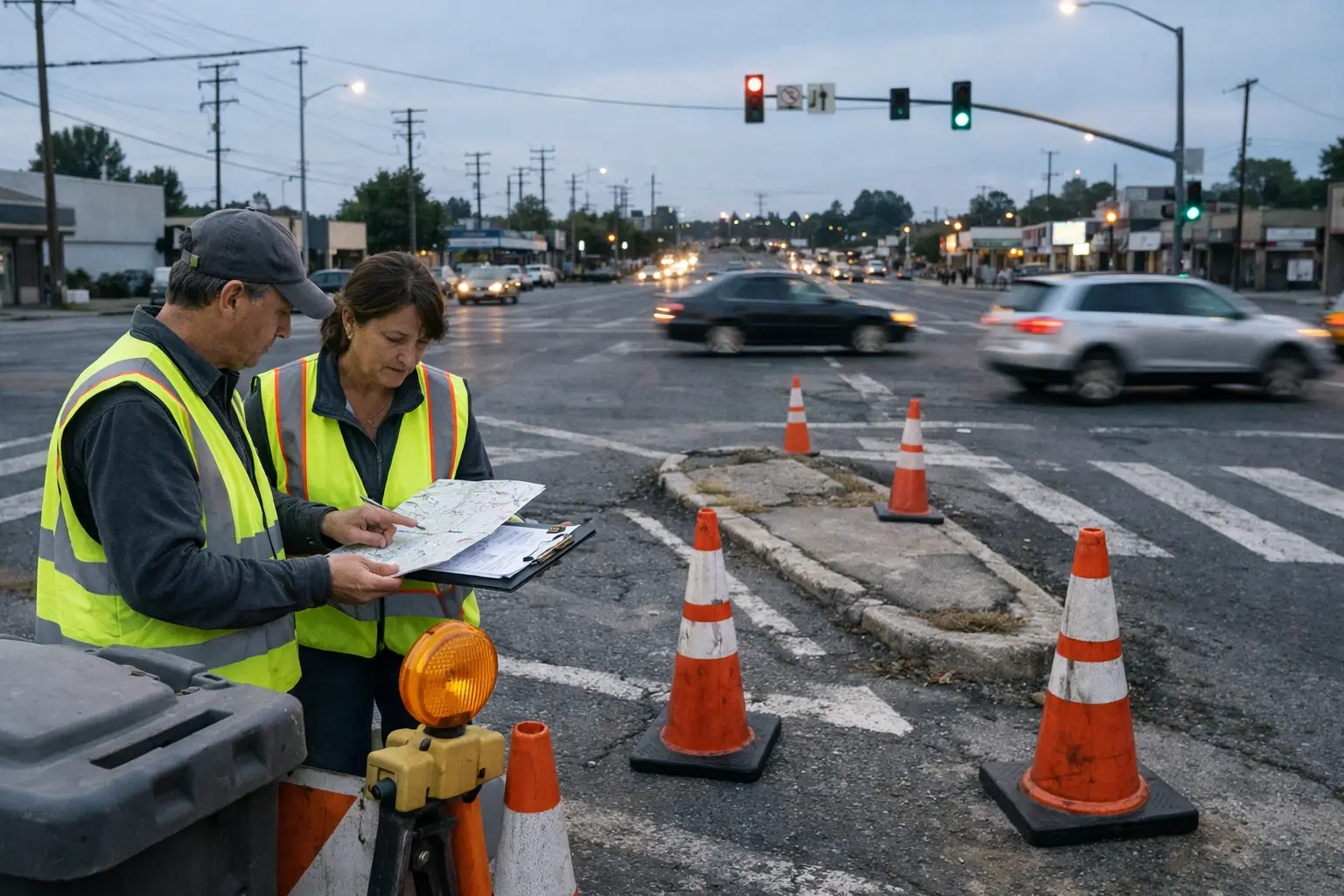
Road deaths remain one of the most persistent public safety failures of modern transport. In 2025, road collisions killed 1.16 million people worldwide, equal to 3,178 deaths every day. Up to 50 million more people were injured. Those figures place road safety beyond the boundaries of individual misconduct and into the realm of infrastructure, public health and urban planning.
The latest expert criticism of the United Kingdom’s road network argues that many risks are embedded in the way roads are built and managed. That assessment challenges a familiar political response: tougher penalties for dangerous or careless drivers. Sanctions remain part of any credible safety system, but punishment acts after a failure has already occurred. Road design determines how often those failures arise, how severe they become and who is most exposed when they do.
The World Health Organization, a central reference point for international road injury prevention, treats road trauma as a preventable cause of death rather than an unavoidable cost of mobility. Its work, available through the World Health Organization, has helped shift the debate from driver behaviour alone to safer systems. In that approach, vehicle speed, street layout, crossings, visibility and protection for people outside cars are all part of the same safety equation.
For Britain, the question carries practical consequences for transport policy. The Department for Transport, responsible for national transport strategy through the Department for Transport, operates in a context where road users share increasingly contested space. Drivers, pedestrians and cyclists are often placed in close proximity, particularly in towns and cities. When a network relies heavily on perfect behaviour from every user, small errors can produce serious harm.
A design-led response does not remove responsibility from drivers. It changes the order of priorities. Enforcement can deter offences, but safer roads aim to reduce the chance that a mistake becomes fatal. The 2025 global toll shows why the distinction matters. With more than a million deaths in a single year, transport safety is not only a policing issue. It is a test of whether governments are willing to build roads that protect people before tragedy occurs.


