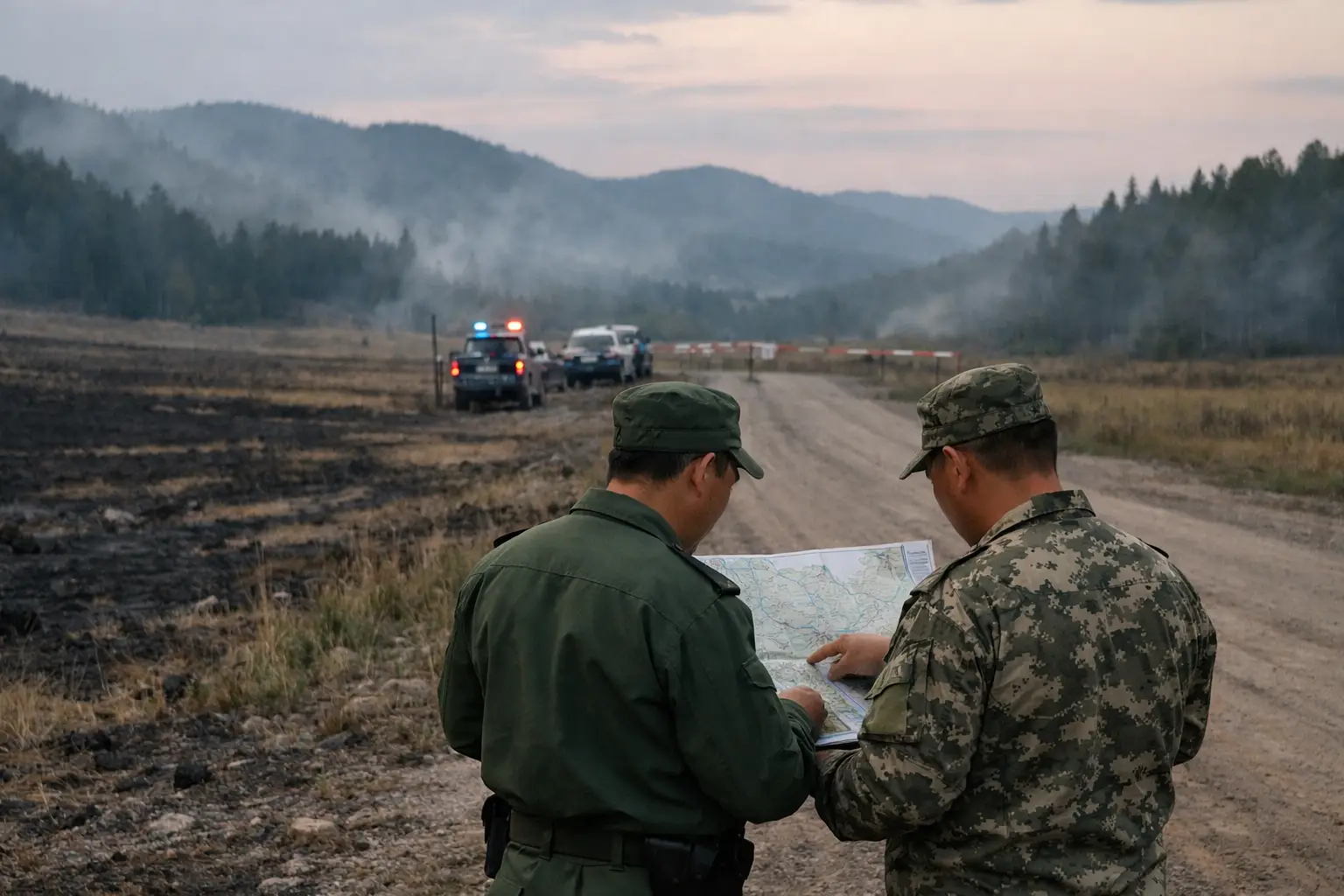
The Numrug fire has turned a remote conservation emergency in Mongolia into a wider test of environmental accountability. The blaze affected the Numrug nature reserve, an ecologically sensitive area in the country’s east, and has drawn attention not only to habitat loss but also to the institutional questions that follow disasters in border regions. The available facts do not identify a verified cause, a responsible actor or a confirmed financial link, making any assignment of blame premature.
What makes the incident significant beyond its immediate environmental damage is the location and profile of the reserve. Numrug sits within a part of Northeast Asia where ecosystems extend across political borders and where land use, infrastructure, resource policy and capital flows can overlap. In such settings, a fire can expose gaps in prevention, monitoring and response, especially where conservation areas are close to economic corridors or jurisdictions with different regulatory standards.
The compliance dimension is central. Investors, lenders and companies with exposure to cross-border projects face growing expectations to assess environmental risk, ownership structures and the conduct of partners. A major fire in or near a protected area can therefore become relevant to due diligence even before fault is established. That does not mean corporate responsibility has been proven in the Numrug case. It means the event underscores why environmental safeguards, traceable financing and transparent permitting are no longer separate from geopolitical risk management.
For public authorities, the immediate challenge is to separate evidence from accusation. A credible review would require clarity on the ignition source, land-management conditions, emergency response timelines and any human activity connected to the affected area. Institutions such as Mongolia’s Ministry of Environment and Climate Change and international bodies including the United Nations Environment Programme provide the broader framework in which conservation, enforcement and risk disclosure are increasingly linked.
The Numrug fire is therefore more than a local ecological loss. It illustrates how environmental damage in Northeast Asia can raise questions about governance, financial exposure and regional stability at the same time. Until verified findings are made public, the responsible course is to avoid unsupported claims while insisting on transparent investigation and stronger protection for vulnerable ecosystems.