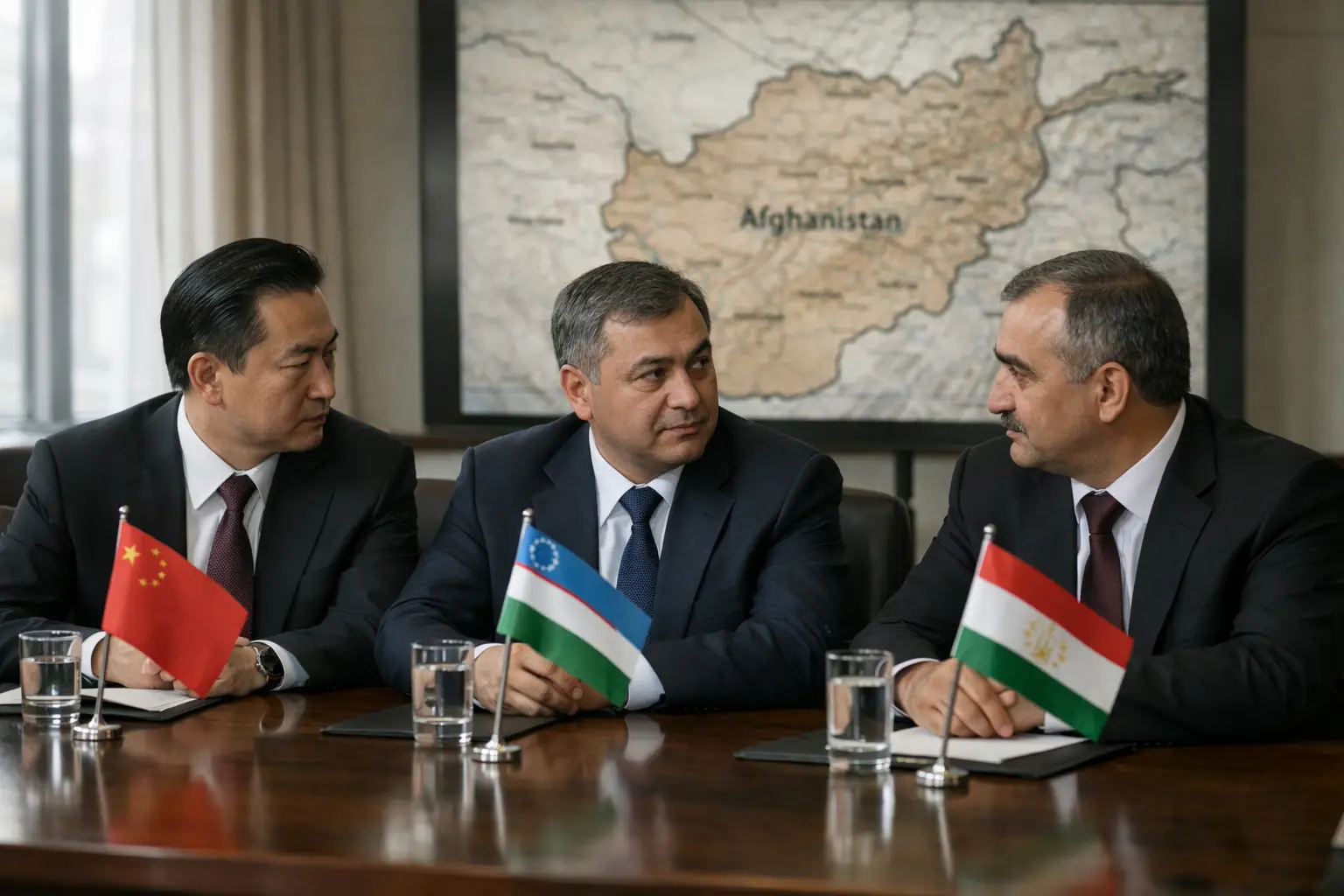
Regional restraint explains why many capitals across Central Asia and beyond have so far declined to endorse Pakistan‘s cross-border strikes into Afghanistan. For China, Uzbekistan and Tajikistan, the assessment is that direct exposure to the kinds of militant threats cited by Islamabad is lower than Pakistan’s, and the diplomatic cost of openly backing kinetic action could outweigh any immediate security benefit. These states appear unwilling to risk an escalation that might destabilise border areas or complicate already sensitive ties with Kabul.
Practical considerations inform this caution. Neighbouring governments manage trade, migration and security routines with Afghanistan that could be disrupted by public support for cross‑border raids. Maintaining access for commerce and consular channels, safeguarding energy and transport links, and preserving ongoing cooperation on law enforcement all incentivise a preference for quiet diplomacy and containment rather than public alignment with military responses.
Geography and domestic politics further shape responses. The locations targeted by Pakistan are generally closer to Islamabad’s own border regions, framing the matter as primarily bilateral in many neighbours’ eyes. At the same time, Central Asian capitals have invested in border safeguarding and intelligence exchanges that reduce the immediacy of spillover risks for their populations. Concerns about upholding territorial sovereignty and avoiding precedents for cross‑border interventions also temper calls for endorsement of unilateral strikes.
The immediate effect is a muted regional chorus: measured statements and back‑channel conversations have replaced coordinated condemnation or collective action. That posture constrains Islamabad’s diplomatic leverage and likely steers its security planners toward further unilateral measures if they judge them necessary. For Afghanistan‘s neighbours, the prevailing priority remains preserving stability at home and keeping practical lines of engagement with Kabul open while navigating complex legal and political constraints.