

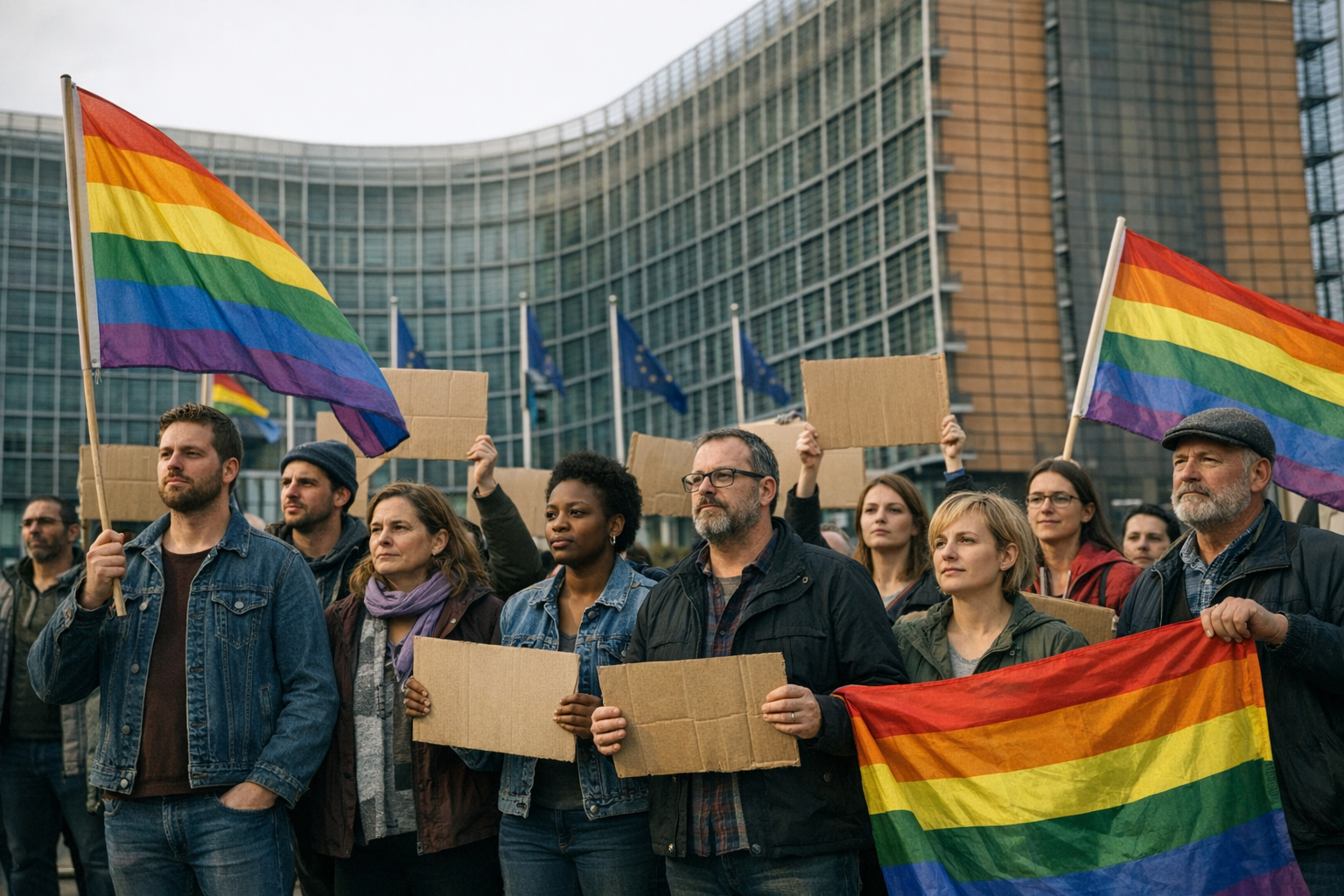
Several raids and arrests targeting members of the LGBTQ+ community in Turkey have provoked sharp criticism from a range of Turkish civic groups and, notably, from Brussels. Authorities carried out operations that led to detentions, and those actions were publicly denounced by multiple domestic organisations as well as by institutions in the EU capital.
Critics have framed the interventions as a test of legal protections and basic freedoms. Human-rights advocates and civil-society actors pointed to risks for freedom of assembly and expression when police activity intersects with events and gatherings tied to sexual orientation and gender identity. The objections voiced by domestic groups underscore continuing tensions over the treatment and public visibility of LGBTQ+ people in the country.
The reaction from Brussels adds an international dimension to the dispute. Officials and representatives based in the EU seat signalled concern at the developments, highlighting that measures affecting minority rights are closely watched beyond Turkey’s borders. This external scrutiny arrives amid an ongoing, broader dialogue about rights standards between Turkey and European institutions.
Observers say the episode is likely to sustain attention from rights monitors and could shape future reporting on law-enforcement practice and civil liberties in the country. For domestic organisations and EU actors alike, the recent raids have reinforced calls for clarity about the circumstances of the arrests and for transparent handling of cases that touch on personal freedom and the safety of vulnerable communities.


